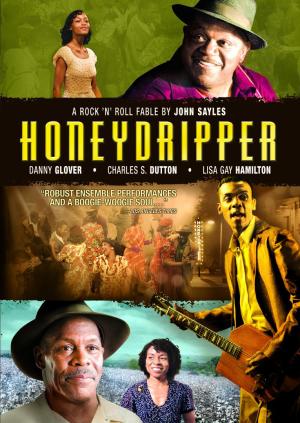
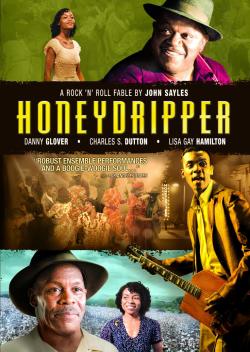
I was a bit confused before seeing this movie about what exactly I was going to see. The reviews I could find seemed unanimous in that it was a musical. But was it a highly fictionalised biopic of a black Rock and Roll pioneer, was it a whimsical look at the history of the blues, was it a downbeat story of how a hard-nosed juke-joint owner with a heart of gold saves his place from falling into the hands of the local mob? Could it even be a subversive story of a stage in the emergence of rebellious black culture from the institutionalised dominance of a racist state in a way which was to capture the imagination of young people all over the world and send seismic tremors through the "civilised" world? That too. The truth is this I ended up agreeing with everyone. It's all of these and more.
More or less.
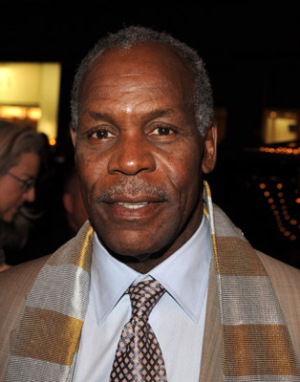
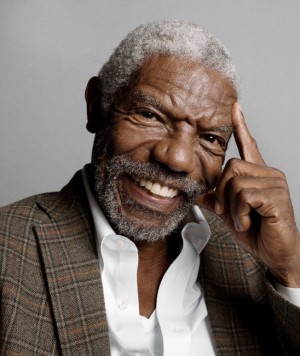
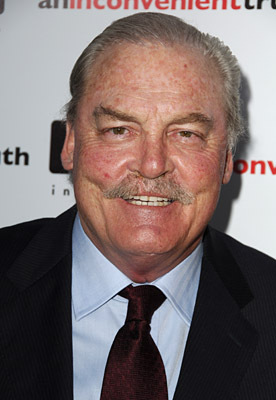
I loved this film. It was great to see some of the great emblematic images of the blues woven together in such a natural way. I was delighted to see Danny Glover as the juke-joint owner, and Keb' Mo' as a blind blues street singer, "reunited" like this (I'm talking about Peter Meyer's docudrama "Can't You Hear The Wind Howl" on the life of Robert Johnson). And the newcomers (to me) were also great, Gary Clark Jr, who occasionally does resemble a very young Chuck Berry, and Yaya Da Costa are revelations, veterans like Stacy Keach as a corrupt-but-benign sheriff, Carles S Dutton as Danny Gover's friend and "go fer" , impeccably cast ... as was everyone else. The script is strong and well directed. Some have commented on the slow build but I can't say I noticed it. Nor did I think the film overlong. The story does moralise ever so slightly, but not in the normal "Hollywood Ending" sense. Only the young are permitted their idealism, everyone else has to deal with the cares of the world, which most often seems to be about choosing the lesser of two evils. The direction is never heavy-handed. The characters appear all the more real because they are taking time to think before they act. I hadn't realised until I saw this how much that was missing in so many movies these days with their impossible spontaneity, rapid fire dialogue and appetite for action or raw sensation. John Sayles' direction has more than once been accused of being loose but it is never languid. I hardly even noticed the use of flashback - a device I don't really appreciate.
I especially liked the take on the emergence of R&R as the baby of the blues. When people, even fans, talk about it, there is always Elvis, and there is always lip-service to hillbilly, country, folk roots. Now I love Elvis - he's never off my CD player for long - but everybody should know by now that it was because of his love of the blues that he sang and performed the way he did. If Howlin' Wolf had been white (what a terrible thought) there would have been no need for Elvis (an equally terrible thought). In one sense, "Honeydripper" gently sets the record straight from a blues point of view.
I sincerely hope as many people as possible get to see this film. The blues as a musical form is surprisingly healthy these days, but it has been badly misunderstood culturally in recent years. The consumers, if not the artists of rap/hip-hop culture tend to see previous black musical forms as tainted by an association with slavery and Uncle-Tom-ism. But the blues was not about being told what to do by a slave-owner. The opposite, if anything. At the particular time when "Honeydripper" takes place, 80plus years after the abolition of slavery, the blues was "about" how far you could escape from slavery and still not be free, among other things (like just having fun)! But I hope they watch it not just from the point of view of the music or the story but because it is a damn good film that takes us a step closer to understanding why so many of us behave as we do today.

 استمتع بأفلام وبرامج بلا حدود
 حمل ما تحب وشاهد بدون إنترنت
 واجهة بسيطة وأداء سلس




'%3e%3cpath%20id='Vector'%20d='M17.3996%2025.7999C17.3996%2025.9838%2017.3634%2026.1658%2017.293%2026.3357C17.2227%2026.5055%2017.1196%2026.6598%2016.9896%2026.7899C16.8596%2026.9199%2016.7052%2027.023%2016.5354%2027.0933C16.3655%2027.1637%2016.1835%2027.1999%2015.9996%2027.1999C15.8158%2027.1999%2015.6337%2027.1637%2015.4639%2027.0933C15.294%2027.023%2015.1397%2026.9199%2015.0097%2026.7899C14.8797%2026.6598%2014.7765%2026.5055%2014.7062%2026.3357C14.6358%2026.1658%2014.5996%2025.9838%2014.5996%2025.7999C14.5996%2025.4286%2014.7471%2025.0725%2015.0097%2024.81C15.2722%2024.5474%2015.6283%2024.3999%2015.9996%2024.3999C16.3709%2024.3999%2016.727%2024.5474%2016.9896%2024.81C17.2521%2025.0725%2017.3996%2025.4286%2017.3996%2025.7999Z'%20fill='white'/%3e%3cpath%20id='Union'%20fill-rule='evenodd'%20clip-rule='evenodd'%20d='M8.5%204H23.5C24.0523%204%2024.5%204.44772%2024.5%205V21.5H7.5V5C7.5%204.44772%207.94772%204%208.5%204ZM5.5%2022.5V5C5.5%203.34315%206.84315%202%208.5%202H23.5C25.1569%202%2026.5%203.34315%2026.5%205V22.5V27C26.5%2028.6569%2025.1569%2030%2023.5%2030H8.5C6.84315%2030%205.5%2028.6569%205.5%2027V22.5ZM24.5%2023.5V27C24.5%2027.5523%2024.0523%2028%2023.5%2028H8.5C7.94772%2028%207.5%2027.5523%207.5%2027V23.5H24.5Z'%20fill='white'/%3e%3cpath%20id='Union_2'%20fill-rule='evenodd'%20clip-rule='evenodd'%20d='M17%209C17%208.44772%2016.5523%208%2016%208C15.4477%208%2015%208.44772%2015%209V13.8258L13.1508%2012.2407C12.7315%2011.8813%2012.1002%2011.9299%2011.7408%2012.3492C11.3813%2012.7685%2011.4299%2013.3998%2011.8492%2013.7593L15.345%2016.7556C15.5205%2016.9079%2015.7495%2017%2016%2017C16.2506%2017%2016.4796%2016.9079%2016.6551%2016.7556L20.1508%2013.7593C20.5701%2013.3998%2020.6187%2012.7685%2020.2593%2012.3492C19.8999%2011.9299%2019.2686%2011.8813%2018.8492%2012.2407L17%2013.8258V9Z'%20fill='white'/%3e%3c/g%3e%3c/svg%3e)