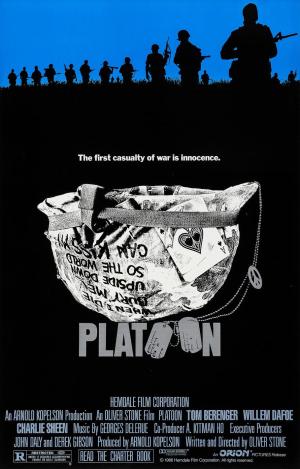
"Platoon" was my first introduction to wartime reality.I was just a kid when first viewing it and the film left a powerful impression in me.Before that,I had only seen a couple of Rambo films and thats what I expected to get here,pretty much.It turned out to be something quite different from that,although it would take me a few years to realize just how different.
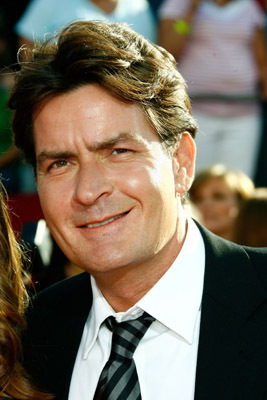
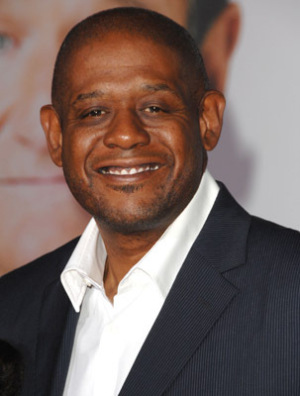
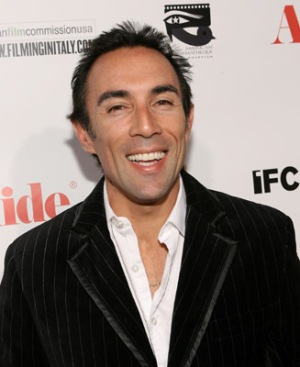
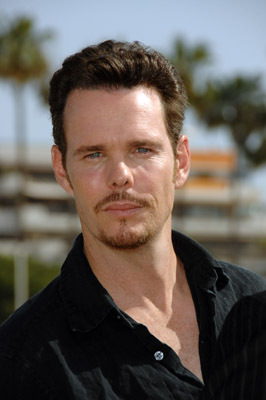
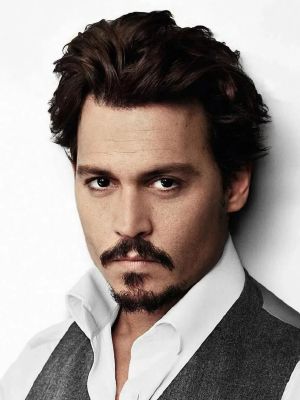
"Platoon" is Oliver Stone's breakthrough picture and a landmark in Hollywood history of the 80's.It features almost every well known actor on the rise from that era,most notable ones being Forest Whitaker,Johnny Depp,Willem Dafoe,Francesco Quinn and Charlie Sheen.
Why is it a landmark film?It helped to bring more understanding into the hot issue of Vietnam war,although "Apocalypse Now!" had already worked out that subject in the most stunning way.Yet there was still something left to say for Stone.It was pretty much the same as Coppola said,but in another,more harrowing and less complex way.We got a closer glimpse of how it is to die,for one.Dafoe's heroic end is one of the most dramatic scenes in history of war films.
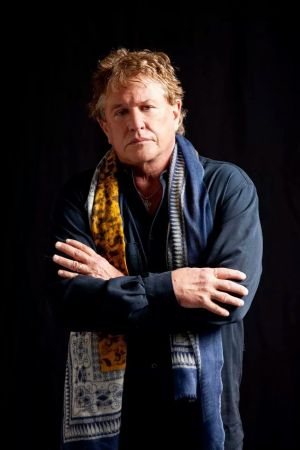
A strong issue here is the abuse of military codes and discipline.Tom Berenger's sadistic,disturbed sgt. Barnes is the perfect example of a warrior playing god,or angel of death, and fighting a war by his own rules.Berenger plays Barnes so well that it really gives you the chills watching him and you want him dead.Sgt. Elias is his counterpart in every way,as he really cares for his men and is in touch with the human in him always.
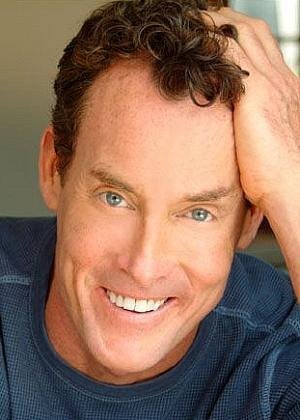
He is not popular among the lowlifes like the redneck psychopath Bunny (great early role by Kevin Dillon) and the spineless racist O'Neill in John McGinley's incarnation.
Another spineless character is the young lieutenant,who on one hand is a greater sinner than Barnes.He has no control over the men under his command whatsoever and refuses to take responsibility or even feel the guilt for not doing anything to prevent the massacre of the village committed by Barnes and his butchers.Here we see the effect that the horrors are having on private Chris,as he in a fit of frustration and anger over the situation he is in tortures a sick and frail creature of a man and ends up in tears.Its a powerful and riveting scene which highlights the film's message against war,showing its inhumanity and absurdity in the most shocking way.
The final battle is very brutal and well shot.It sums up the whole Vietnam war and the strategy of the American army.The napalm kills not just the Vietcongs but also Americans.Ironically,it saves Chris' life as he is about to be killed by Barnes during their confrontation.Bunny gets what he deserves and Junior,who is the most despicable of the black characters here,also dies.This may be seen as director's own judgment.The only other sympathetic character still alive by this time,the underground lord Rah, is left alive.Francesco Quinn shows here that he is capable of taking over his father's legacy.
In the end,this film is not flawless,but it is a perfect document of the madness that occurred in Vietnam 1964-73.And its consistent to its very end,which by the way is very touching and almost made me cry the second time I watched it.It is funny how one can feel both happy and sad about leaving a war torn place.Such are the feelings that a war conjures up in a man.It is almost like Chris was sad he was leaving,or maybe the emotions that were bubbling under surface just came out for real.
Any which way,this film will always be remembered as the one that gave a true and unpolished picture of mankind at war at a time when Hollywood producers made an attempt to glorify the US army and cast an eclipse on its disgraceful stain,transforming the killing into culture.Ironically they succeeded.8/10

 Mag-enjoy sa walang hanggang pelikula at palabas
 I-download ang paborito mong palabas para panoorin offline
 Simpleng disenyo at maayos na takbo




'%3e%3cpath%20id='Vector'%20d='M17.3996%2025.7999C17.3996%2025.9838%2017.3634%2026.1658%2017.293%2026.3357C17.2227%2026.5055%2017.1196%2026.6598%2016.9896%2026.7899C16.8596%2026.9199%2016.7052%2027.023%2016.5354%2027.0933C16.3655%2027.1637%2016.1835%2027.1999%2015.9996%2027.1999C15.8158%2027.1999%2015.6337%2027.1637%2015.4639%2027.0933C15.294%2027.023%2015.1397%2026.9199%2015.0097%2026.7899C14.8797%2026.6598%2014.7765%2026.5055%2014.7062%2026.3357C14.6358%2026.1658%2014.5996%2025.9838%2014.5996%2025.7999C14.5996%2025.4286%2014.7471%2025.0725%2015.0097%2024.81C15.2722%2024.5474%2015.6283%2024.3999%2015.9996%2024.3999C16.3709%2024.3999%2016.727%2024.5474%2016.9896%2024.81C17.2521%2025.0725%2017.3996%2025.4286%2017.3996%2025.7999Z'%20fill='white'/%3e%3cpath%20id='Union'%20fill-rule='evenodd'%20clip-rule='evenodd'%20d='M8.5%204H23.5C24.0523%204%2024.5%204.44772%2024.5%205V21.5H7.5V5C7.5%204.44772%207.94772%204%208.5%204ZM5.5%2022.5V5C5.5%203.34315%206.84315%202%208.5%202H23.5C25.1569%202%2026.5%203.34315%2026.5%205V22.5V27C26.5%2028.6569%2025.1569%2030%2023.5%2030H8.5C6.84315%2030%205.5%2028.6569%205.5%2027V22.5ZM24.5%2023.5V27C24.5%2027.5523%2024.0523%2028%2023.5%2028H8.5C7.94772%2028%207.5%2027.5523%207.5%2027V23.5H24.5Z'%20fill='white'/%3e%3cpath%20id='Union_2'%20fill-rule='evenodd'%20clip-rule='evenodd'%20d='M17%209C17%208.44772%2016.5523%208%2016%208C15.4477%208%2015%208.44772%2015%209V13.8258L13.1508%2012.2407C12.7315%2011.8813%2012.1002%2011.9299%2011.7408%2012.3492C11.3813%2012.7685%2011.4299%2013.3998%2011.8492%2013.7593L15.345%2016.7556C15.5205%2016.9079%2015.7495%2017%2016%2017C16.2506%2017%2016.4796%2016.9079%2016.6551%2016.7556L20.1508%2013.7593C20.5701%2013.3998%2020.6187%2012.7685%2020.2593%2012.3492C19.8999%2011.9299%2019.2686%2011.8813%2018.8492%2012.2407L17%2013.8258V9Z'%20fill='white'/%3e%3c/g%3e%3c/svg%3e)