1234money official logo1234money

Command Ctrl

Stream the signal

  • Accueil
  • Émission TV
  • Film
  • Animation
  • VSKit
  • Les Plus Regardés
  • Application
  • FM Download
  • Games
  • Old 1234money
English
العربية
Français
Bahasa Indonesia
हिन्दी
اردو
Filipino
1234money Download AppApplication
Application
Voir plus1234money home light arrow
1234money downloadProfitez de films et séries sans limite
1234money downloadTéléchargez vos contenus favoris pour regarder hors ligne
1234money downloadInterface simple et utilisation fluide
Scannez le code QR pour télécharger ou
Télécharger 1234money
For phones and tablets
TV
APK 1234money TV
Pour Android TV
1234money header navigation
1234money official logo

1234money

1234money search icon
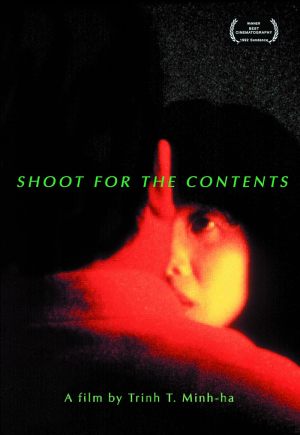
Shoot for the Contents

Shoot for the Contents

★ 5.91992Movie1 h 41 mÉtats-Unis
Documentaire

Political and artistic reflections on present-day China.

50 people rated
🔇

Shoot for the Contents

1992

R

1 h 41 m

États-Unis

Documentaire

Political and artistic reflections on present-day China.
More

5.9 /10

50 people rated

Regarder en ligne

Dans l’appli

share

Épisodes

film
lklk
Netflix
Plex

Bande-annonce

play
Meilleurs acteurs(1)
starring avatar
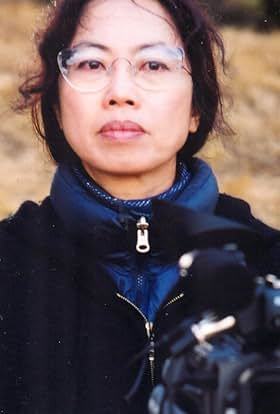
Trinh T. Minh-ha
Director

Avis des utilisateurs

author avatar

kumba willan

29/05/2023 10:54
source: Shoot for the Contents
author avatar

Saintedyfy59

23/05/2023 03:53
Trinh T. Minh-ha is a Vietnamese-born filmmaker, writer, and theorist. I am introducing her here for my own benefit. She has done among other things extensive study in music and ethnology and is currently a professor of women's studies at Berkeley. Her primary interests seem to be in the fields of feminism, ethnosociology and the shaping of cultural narrative, as well as probing into matters of presentation and cinematic discourse. She has filmed sparsely through the years and this is the first I see. I come to it, because it is about China from the premise of storytelling and in particular layered narrative. And together with Chinese influence in Japan, this Eastern model is right now the most challenging and erudite we have and one I have been trying to understand. There is still a lot to be gleaned, even more that has been obfuscated by sloppy interpretation (by way of Western analogies) that has to be set straight. My advice is that in everything you encounter, every person, you have to appreciate even morsels of something meaningful. Everything has potential to enlighten, but there is simply no time in one life to waste passion in knowing mere corners of a hundred things. You have to discover and nourish your own center. And why report out of intellectual -touristy- obligation on what she has to say about gender and national politics, when I am simply not, and could never be, in the position to deeply and passionately engage her on the subject. And when we both share other passions. My own is with Chinese and Chinese-Buddhist narrative, what I see as a unique confluence that goes back centuries: you had deep -philosophical- curiosity to know the world, but instead of dryly filling tomes about it as 'thinkers' did in the West, you had compact , layered expression in form. And that is why a centuries-old model deserves to be studied. It was not abstract wisdom, but something you may cultivate in life, closer to applied science than Western understanding of religion. At its heart it was meditation, meditation without the cloudy cultural wrap: that was when you stopped theorizing about it, and actually sat down to observe with your own senses the center of emptiness in you and things. The few rules -including moral ones- about it should be perceived not as doctrine, but as guidelines that were discovered to assist practice - like it's simply good sense for an athlete to eat a certain way. And I cannot stress enough that it was an actual practice, something you did, and could carry on doing with open eyes. Translated in form, you had Du Fu's poetry in short brush-strokes. You had the great Zen poet-calligraphers and landscape painters, all those gardeners of the soul. The Tao Te-Ching. The Japanese took it further, but it was first amalgamated here. The point was not logic and representation. It was pen-strokes that captured the essence of being one with ink as it writes itself. Trinh laments what she sees as the destructive influence of Confucius and -naturally- Mao, and I lament with her, touristy as I can. That is when forced harmony took precedence over seeing with one's own eyes. She goes on to note this effect in the state-sponsored cinema of today's China. (And it should be mentioned here, that Chinese bloggers behind the Great Firewall, covertly speak of websites forcibly closed by the government as having been 'harmonized'). And Trinh strives for the opposite of that: not documentary truth of the complex Chinese narrative, but one of many possible roadmaps, call it an essay if you will, a guessing game, an asymmetry, a dragon sketch that each time flows a different way. She has not solved cinematic presentation of this in a satisfying -calligraphic- manner, which should be revolutionary when it is, but she tried. We are the foreigner entrusted with these passing flows of life and thought. Our short stay ensures discretion. Better yet, we are the hole in that Wong Kar Wai film where secrets are whispered into.
author avatar

🌚🥀

13/04/2023 10:14
source: Shoot for the Contents
author avatar

Kaishaofficial_

13/04/2023 10:14
Trinh T. Minh-ha is a Vietnamese-born filmmaker, writer, and theorist. I am introducing her here for my own benefit. She has done among other things extensive study in music and ethnology and is currently a professor of women's studies at Berkeley. Her primary interests seem to be in the fields of feminism, ethnosociology and the shaping of cultural narrative, as well as probing into matters of presentation and cinematic discourse. She has filmed sparsely through the years and this is the first I see. I come to it, because it is about China from the premise of storytelling and in particular layered narrative. And together with Chinese influence in Japan, this Eastern model is right now the most challenging and erudite we have and one I have been trying to understand. There is still a lot to be gleaned, even more that has been obfuscated by sloppy interpretation (by way of Western analogies) that has to be set straight. My advice is that in everything you encounter, every person, you have to appreciate even morsels of something meaningful. Everything has potential to enlighten, but there is simply no time in one life to waste passion in knowing mere corners of a hundred things. You have to discover and nourish your own center. And why report out of intellectual -touristy- obligation on what she has to say about gender and national politics, when I am simply not, and could never be, in the position to deeply and passionately engage her on the subject. And when we both share other passions. My own is with Chinese and Chinese-Buddhist narrative, what I see as a unique confluence that goes back centuries: you had deep -philosophical- curiosity to know the world, but instead of dryly filling tomes about it as 'thinkers' did in the West, you had compact , layered expression in form. And that is why a centuries-old model deserves to be studied. It was not abstract wisdom, but something you may cultivate in life, closer to applied science than Western understanding of religion. At its heart it was meditation, meditation without the cloudy cultural wrap: that was when you stopped theorizing about it, and actually sat down to observe with your own senses the center of emptiness in you and things. The few rules -including moral ones- about it should be perceived not as doctrine, but as guidelines that were discovered to assist practice - like it's simply good sense for an athlete to eat a certain way. And I cannot stress enough that it was an actual practice, something you did, and could carry on doing with open eyes. Translated in form, you had Du Fu's poetry in short brush-strokes. You had the great Zen poet-calligraphers and landscape painters, all those gardeners of the soul. The Tao Te-Ching. The Japanese took it further, but it was first amalgamated here. The point was not logic and representation. It was pen-strokes that captured the essence of being one with ink as it writes itself. Trinh laments what she sees as the destructive influence of Confucius and -naturally- Mao, and I lament with her, touristy as I can. That is when forced harmony took precedence over seeing with one's own eyes. She goes on to note this effect in the state-sponsored cinema of today's China. (And it should be mentioned here, that Chinese bloggers behind the Great Firewall, covertly speak of websites forcibly closed by the government as having been 'harmonized'). And Trinh strives for the opposite of that: not documentary truth of the complex Chinese narrative, but one of many possible roadmaps, call it an essay if you will, a guessing game, an asymmetry, a dragon sketch that each time flows a different way. She has not solved cinematic presentation of this in a satisfying -calligraphic- manner, which should be revolutionary when it is, but she tried. We are the foreigner entrusted with these passing flows of life and thought. Our short stay ensures discretion. Better yet, we are the hole in that Wong Kar Wai film where secrets are whispered into.
— No more content —

Avis des utilisateurs

author avatar

kumba willan

29/05/2023 10:54
source: Shoot for the Contents
author avatar

Saintedyfy59

23/05/2023 03:53
Trinh T. Minh-ha is a Vietnamese-born filmmaker, writer, and theorist. I am introducing her here for my own benefit. She has done among other things extensive study in music and ethnology and is currently a professor of women's studies at Berkeley. Her primary interests seem to be in the fields of feminism, ethnosociology and the shaping of cultural narrative, as well as probing into matters of presentation and cinematic discourse. She has filmed sparsely through the years and this is the first I see. I come to it, because it is about China from the premise of storytelling and in particular layered narrative. And together with Chinese influence in Japan, this Eastern model is right now the most challenging and erudite we have and one I have been trying to understand. There is still a lot to be gleaned, even more that has been obfuscated by sloppy interpretation (by way of Western analogies) that has to be set straight. My advice is that in everything you encounter, every person, you have to appreciate even morsels of something meaningful. Everything has potential to enlighten, but there is simply no time in one life to waste passion in knowing mere corners of a hundred things. You have to discover and nourish your own center. And why report out of intellectual -touristy- obligation on what she has to say about gender and national politics, when I am simply not, and could never be, in the position to deeply and passionately engage her on the subject. And when we both share other passions. My own is with Chinese and Chinese-Buddhist narrative, what I see as a unique confluence that goes back centuries: you had deep -philosophical- curiosity to know the world, but instead of dryly filling tomes about it as 'thinkers' did in the West, you had compact , layered expression in form. And that is why a centuries-old model deserves to be studied. It was not abstract wisdom, but something you may cultivate in life, closer to applied science than Western understanding of religion. At its heart it was meditation, meditation without the cloudy cultural wrap: that was when you stopped theorizing about it, and actually sat down to observe with your own senses the center of emptiness in you and things. The few rules -including moral ones- about it should be perceived not as doctrine, but as guidelines that were discovered to assist practice - like it's simply good sense for an athlete to eat a certain way. And I cannot stress enough that it was an actual practice, something you did, and could carry on doing with open eyes. Translated in form, you had Du Fu's poetry in short brush-strokes. You had the great Zen poet-calligraphers and landscape painters, all those gardeners of the soul. The Tao Te-Ching. The Japanese took it further, but it was first amalgamated here. The point was not logic and representation. It was pen-strokes that captured the essence of being one with ink as it writes itself. Trinh laments what she sees as the destructive influence of Confucius and -naturally- Mao, and I lament with her, touristy as I can. That is when forced harmony took precedence over seeing with one's own eyes. She goes on to note this effect in the state-sponsored cinema of today's China. (And it should be mentioned here, that Chinese bloggers behind the Great Firewall, covertly speak of websites forcibly closed by the government as having been 'harmonized'). And Trinh strives for the opposite of that: not documentary truth of the complex Chinese narrative, but one of many possible roadmaps, call it an essay if you will, a guessing game, an asymmetry, a dragon sketch that each time flows a different way. She has not solved cinematic presentation of this in a satisfying -calligraphic- manner, which should be revolutionary when it is, but she tried. We are the foreigner entrusted with these passing flows of life and thought. Our short stay ensures discretion. Better yet, we are the hole in that Wong Kar Wai film where secrets are whispered into.
author avatar

🌚🥀

13/04/2023 10:14
source: Shoot for the Contents
author avatar

Kaishaofficial_

13/04/2023 10:14
Trinh T. Minh-ha is a Vietnamese-born filmmaker, writer, and theorist. I am introducing her here for my own benefit. She has done among other things extensive study in music and ethnology and is currently a professor of women's studies at Berkeley. Her primary interests seem to be in the fields of feminism, ethnosociology and the shaping of cultural narrative, as well as probing into matters of presentation and cinematic discourse. She has filmed sparsely through the years and this is the first I see. I come to it, because it is about China from the premise of storytelling and in particular layered narrative. And together with Chinese influence in Japan, this Eastern model is right now the most challenging and erudite we have and one I have been trying to understand. There is still a lot to be gleaned, even more that has been obfuscated by sloppy interpretation (by way of Western analogies) that has to be set straight. My advice is that in everything you encounter, every person, you have to appreciate even morsels of something meaningful. Everything has potential to enlighten, but there is simply no time in one life to waste passion in knowing mere corners of a hundred things. You have to discover and nourish your own center. And why report out of intellectual -touristy- obligation on what she has to say about gender and national politics, when I am simply not, and could never be, in the position to deeply and passionately engage her on the subject. And when we both share other passions. My own is with Chinese and Chinese-Buddhist narrative, what I see as a unique confluence that goes back centuries: you had deep -philosophical- curiosity to know the world, but instead of dryly filling tomes about it as 'thinkers' did in the West, you had compact , layered expression in form. And that is why a centuries-old model deserves to be studied. It was not abstract wisdom, but something you may cultivate in life, closer to applied science than Western understanding of religion. At its heart it was meditation, meditation without the cloudy cultural wrap: that was when you stopped theorizing about it, and actually sat down to observe with your own senses the center of emptiness in you and things. The few rules -including moral ones- about it should be perceived not as doctrine, but as guidelines that were discovered to assist practice - like it's simply good sense for an athlete to eat a certain way. And I cannot stress enough that it was an actual practice, something you did, and could carry on doing with open eyes. Translated in form, you had Du Fu's poetry in short brush-strokes. You had the great Zen poet-calligraphers and landscape painters, all those gardeners of the soul. The Tao Te-Ching. The Japanese took it further, but it was first amalgamated here. The point was not logic and representation. It was pen-strokes that captured the essence of being one with ink as it writes itself. Trinh laments what she sees as the destructive influence of Confucius and -naturally- Mao, and I lament with her, touristy as I can. That is when forced harmony took precedence over seeing with one's own eyes. She goes on to note this effect in the state-sponsored cinema of today's China. (And it should be mentioned here, that Chinese bloggers behind the Great Firewall, covertly speak of websites forcibly closed by the government as having been 'harmonized'). And Trinh strives for the opposite of that: not documentary truth of the complex Chinese narrative, but one of many possible roadmaps, call it an essay if you will, a guessing game, an asymmetry, a dragon sketch that each time flows a different way. She has not solved cinematic presentation of this in a satisfying -calligraphic- manner, which should be revolutionary when it is, but she tried. We are the foreigner entrusted with these passing flows of life and thought. Our short stay ensures discretion. Better yet, we are the hole in that Wong Kar Wai film where secrets are whispered into.
— No more content —
Avertissement: Toutes les vidéos et images sur 1234money proviennent d'Internet et leurs droits d'auteur appartiennent à leurs créateurs originaux. Nous fournissons uniquement des services web et ne stockons, n'enregistrons ni ne téléchargeons aucun contenu.
À propos:Publication du lien officiel 1234.money|Télécharger 1234money APK|Politique de Confidentialité|Accord de l'utilisateur
© 2026 1234money. All rights reserved.Telegram
1234money official logo

1234money

English
العربية
Français
Bahasa Indonesia
हिन्दी
اردو
Filipino
À propos
Publication du lien officielTélécharger 1234money APKPolitique de ConfidentialitéAccord de l'utilisateur
Avertissement: Toutes les vidéos et images sur 1234money proviennent d'Internet et leurs droits d'auteur appartiennent à leurs créateurs originaux. Nous fournissons uniquement des services web et ne stockons, n'enregistrons ni ne téléchargeons aucun contenu.