1234money official logo1234money

Command Ctrl

Stream the signal

  • होम
  • टीवी शो
  • फिल्म
  • एनिमेशन
  • VSKit
  • मोस्ट वॉच्ड
  • 1234money ऐप
  • FM Download
  • Games
  • Old 1234money
English
العربية
Français
Bahasa Indonesia
हिन्दी
اردو
Filipino
1234money Download Appऐप
ऐप
और अधिक देखें1234money home light arrow
1234money downloadबिना रुकावट फिल्में और शो देखें
1234money downloadअपना पसंदीदा कंटेंट डाउनलोड करो ताकि ऑफ़लाइन देख सको
1234money downloadसिंपल इंटरफ़ेस & स्मूथ परफॉर्मेंस
क्यूआर कोड स्कैन करें और डाउनलोड करें या
ऐप डाउनलोड करें
For phones and tablets
TV
1234money TV APK
Android TV के लिए
1234money header navigation
1234money official logo

1234money

1234money search icon
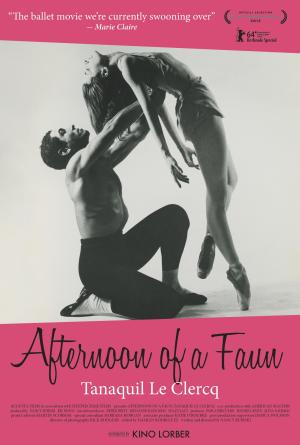
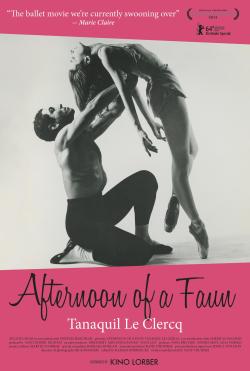
Afternoon of a Faun: Tanaquil Le Clercq

Afternoon of a Faun: Tanaquil Le Clercq

★ 7.22013Movie1 h 31 mसंयुक्त राज्य अमेरिका
वृत्तचित्रBiographyड्रामा

A mesmerizing portrait of legendary ballerina Tanaquil Le Clercq - muse to both George Balanchine and Jerome Robbins - whose career was cut short by polio at the age of 27.

315 people rated
🔇

Afternoon of a Faun: Tanaquil Le Clercq

2013

R

1 h 31 m

संयुक्त राज्य अमेरिका

वृत्तचित्र

Biography

ड्रामा

A mesmerizing portrait of legendary ballerina Tanaquil Le Clercq - muse to both George Balanchine and Jerome Robbins - whose career was cut short by polio at the age of 27.
More

7.2 /10

315 people rated

ऑनलाइन देखें

ऐप में देखें

share

एपिसोड

film
lklk
Netflix
Plex

फिल्म का ट्रेलर

play
शीर्ष कलाकार(16)
starring avatar
Tanaquil Le Clerq
Self
starring avatar
Jacques d'Amboise
Self
default avatar
Barbara Horgan
Self - George Balanchine's assistant
default avatar
Randall Bourscheidt
Self - Tanaquil Le Clercq's friend
default avatar
Patricia McBride
Self
starring avatar
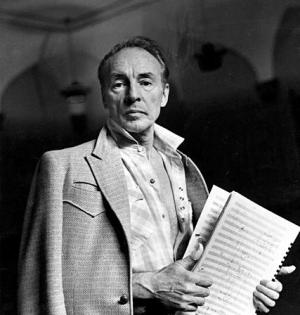
George Balanchine
Self
default avatar
Larry Mackenzie
Self
default avatar
Joya Moore
Self
starring avatar
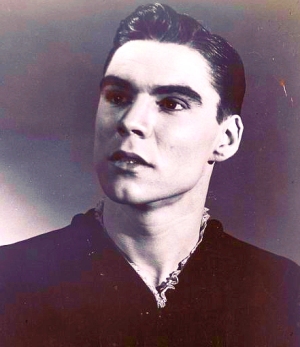
Jerome Robbins
Self
starring avatar
Arthur Mitchell
Self
default avatar
Allegra Kent
Self
starring avatar
Suzanne Farrell
Self
default avatar
Virginia Johnson
Self
default avatar
Martha Swope
Self - photographer
default avatar
Marianne Bower
Self - Tanaquil Le Clercq
starring avatar
Michael Stuhlbarg
Self - Jerome Robbins

उपयोगकर्ता समीक्षा

author avatar

Sweta patel🇳🇵🇳🇵

29/05/2023 11:06
source: Afternoon of a Faun: Tanaquil Le Clercq
author avatar

❤jasmine009❤

23/05/2023 04:01
There are actually TWO spoilers in this review; one for the reviewed movie and one for the movie "Eight Men Out". This movie is probably THE definitive biography of the renowned ballerina Tanaquil Le Clercq. She was the last wife of George Balanchine; the legendary ballet master of the New York City Ballet, and was professionally active from just after WWII to one night in Copenhagen, Denmark in 1956. A very beautiful woman; her body type became the prototype of the Balanchine dancer.She married Mr. B in 1952, shortly after his marriage to Maria Tallchief ended. There was a 25 year difference in their ages. She was the prime ballerina of the NYCB. She made one mistake before leaving with the NYCB on a European tour; she did not take her polio shot. Murphy's Law took effect and a few weeks later she came down with a very severe case of polio. The doctors did not expect her to live, but she fooled everybody and did. However, she was left with a bad case of paralysis and never walked, let alone danced, again. The director of this film, Nancy Buirski, did a great job in obtaining archival footage of Le Clercq and later still photographs and even home movies of the ballerina in her later years. She also obtained recent interviews of individuals who had known Le Clercq and even danced with her. Tremendous insight into the relationship between Jerome Robbins and Le Clercq is obtained in the interviews and letters of Robbins himself. This is a fine movie and worth seeing. The only criticism I have of it is the length of time used in portraying her post illness life. She never walked again; let alone danced. She did teach and there are a few photos of her in a dance studio in her wheelchair, but I think too much time (about half the entire film) was devoted to her life afterwords. I am thinking of the movie "Eight Men Out"; which has a dreary and sad ending. The last few minutes of that movie are a classic as it shows men whose professional lives are ruined and there is no real hope of them ever getting their careers back. That movie performed a fantastic feat in showing a scene that epitomized a feeling or mood. I wish this movie had truncated most of the post polio struggle with a scene of that sort; perhaps emphasizing one interviewee who stated that Le Clercq left George Balanchine as she wanted him to have his freedom back; so he could on with his life (he had taken excellent care of her for some years after her paralysis set in-probably vainly hoping she would make more of a recovery than she did). There was no reason to continue to state the obvious; she was (like the ballplayers in Eight Men Out) at the top of her career and profession when she lost everything -like they did. Both films are tragedies; tragedies of people who made one mistake and lost more than most of us will ever have.
author avatar

Radhiyyah Lala

23/05/2023 04:01
While part of me might have wanted more gossipy details at certain points in the film, overall this is a worthy tribute. Ms. Le Clerc was already in a wheelchair when I started going to the NYC Ballet, so I never got to see her dance. The archival videos of "Tanny" in this documentary are revelatory. And there are wonderful contributions from Jacques d'Amboise and Patricia McBride as talking heads. The film reinforces what I have felt for the past 40 years: that being alive during George Balanchine's (and Jerome Robbins's and Lincoln Kirstein's) life was akin to having Mozart across town. I had SEVEN subscriptions to NYCB in the 70's and 80's, and its repertoire and dancers have made my aesthetic what it is today.
author avatar

lillyafe

23/05/2023 04:01
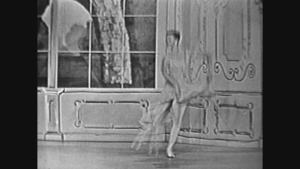
One of the opening scenes of this movie shows Tanaquil dancing with Jacques d'Amboise. This really captured the essence of the film for me. Graceful effortless dancing, with emotional depth in an unusual and creative setting. Thus we are led into the story of Tanaquil Le Clercq, her upbringing in Paris and New York, disappearance of her father and with a strong mother. Enter a genius father/mentor figure in George Balanchine and the future unfolds. The story is told with original photos and film footage. Personal interviews with Tanaquil's collaborators and close friends give us a 360deg picture of her development. Jacques d'Amboise, Jerome Robbins, Arthur Mitchell, Barbara Horgan and Patricia McBride gives us the inside information on an artist that embraced her craft and inspired others. We are informed of the inspiring but difficult relationship with Balanchine. One interview with Balanchine might be of interest to Canadians. The interviewer was a reporter with the CBC (smoking his trademark cigarette) who went on to be the first separatist premier of Quebec - Rene Levesque! When Tanaquil comes down with polio, it is a bitter pill, considering her earlier performance at a polio benefit. This really heightens the sense of tragedy that seems to go part and parcel with great artistic achievement. However, she was not defeated and continued to lead a meaningful and vibrant life.
author avatar

Alishaa

23/05/2023 04:01
Even those with little or no interest in ballet will be moved by "Afternoon of a Faun: Tanaquil Le Clercq," a documentary about one of the finest dancers ever to grace the stage, one who, like Lou Gehrig, was struck down by a disease of unspeakable awfulness in the prime of her life (though, unlike Gehrig, she managed to live to almost 80 despite her illness). A favorite pupil of famed choreographers, George Ballanchine and Jerome Robbins, Tanaquil, or "Tanny" to her friends. stood out from her ballerina contemporaries due to her unusual tallness and angular frame. The film chronicles her rigorous, sheltered youth, her tumultuous marriage to Ballanchine, her phenomenal success on the stage. And, then, just as she was on the top of the world professionally, tragedy - of a particularly cruel nature for a person used to making a living and perfecting her art with her body - befell her in the form of a severe case of polio, a case so severe, in fact, that she was forced to endure time in an iron lung and ultimately to spend the rest of her life in a wheelchair. Through an abundance of stills and kinescope recordings, we get to see a great deal of Tanaquil's work. These are supplemented by interviews with those who knew Tanny both on a professional level and as personal friends. Most poignant are the recitations of the letters Tanny wrote at the height of her illness, many of them from a rehabilitation center where she was receiving treatment. Her resolve and inner strength, along with her almost naïve hope for the future, pour forth in great abundance from the writings. One thing that strikes us most in Tanny's post-polio life is her determination to remain independent in the face of her disability. And, indeed, the movie ends on a high note, as we learn that Tanny spent the better part of her life imparting her priceless wisdom and insight to young dancers from her wheelchair. The movie provides an inspiring portrait of an inspiring person.
author avatar

abhijay Singh

13/03/2023 17:57
source: Το απομεσήμερο ενός φαύνου: Τάνακιλ Λε Κλερκ
author avatar

Wenslas Passion

25/02/2023 20:43
source: Afternoon of a Faun: Tanaquil Le Clercq
author avatar

iamnotmizzk

25/02/2023 20:43
One of the opening scenes of this movie shows Tanaquil dancing with Jacques d'Amboise. This really captured the essence of the film for me. Graceful effortless dancing, with emotional depth in an unusual and creative setting. Thus we are led into the story of Tanaquil Le Clercq, her upbringing in Paris and New York, disappearance of her father and with a strong mother. Enter a genius father/mentor figure in George Balanchine and the future unfolds. The story is told with original photos and film footage. Personal interviews with Tanaquil's collaborators and close friends give us a 360deg picture of her development. Jacques d'Amboise, Jerome Robbins, Arthur Mitchell, Barbara Horgan and Patricia McBride gives us the inside information on an artist that embraced her craft and inspired others. We are informed of the inspiring but difficult relationship with Balanchine. One interview with Balanchine might be of interest to Canadians. The interviewer was a reporter with the CBC (smoking his trademark cigarette) who went on to be the first separatist premier of Quebec - Rene Levesque! When Tanaquil comes down with polio, it is a bitter pill, considering her earlier performance at a polio benefit. This really heightens the sense of tragedy that seems to go part and parcel with great artistic achievement. However, she was not defeated and continued to lead a meaningful and vibrant life.
author avatar

ARM WC

25/02/2023 20:43
There are actually TWO spoilers in this review; one for the reviewed movie and one for the movie "Eight Men Out". This movie is probably THE definitive biography of the renowned ballerina Tanaquil Le Clercq. She was the last wife of George Balanchine; the legendary ballet master of the New York City Ballet, and was professionally active from just after WWII to one night in Copenhagen, Denmark in 1956. A very beautiful woman; her body type became the prototype of the Balanchine dancer.She married Mr. B in 1952, shortly after his marriage to Maria Tallchief ended. There was a 25 year difference in their ages. She was the prime ballerina of the NYCB. She made one mistake before leaving with the NYCB on a European tour; she did not take her polio shot. Murphy's Law took effect and a few weeks later she came down with a very severe case of polio. The doctors did not expect her to live, but she fooled everybody and did. However, she was left with a bad case of paralysis and never walked, let alone danced, again. The director of this film, Nancy Buirski, did a great job in obtaining archival footage of Le Clercq and later still photographs and even home movies of the ballerina in her later years. She also obtained recent interviews of individuals who had known Le Clercq and even danced with her. Tremendous insight into the relationship between Jerome Robbins and Le Clercq is obtained in the interviews and letters of Robbins himself. This is a fine movie and worth seeing. The only criticism I have of it is the length of time used in portraying her post illness life. She never walked again; let alone danced. She did teach and there are a few photos of her in a dance studio in her wheelchair, but I think too much time (about half the entire film) was devoted to her life afterwords. I am thinking of the movie "Eight Men Out"; which has a dreary and sad ending. The last few minutes of that movie are a classic as it shows men whose professional lives are ruined and there is no real hope of them ever getting their careers back. That movie performed a fantastic feat in showing a scene that epitomized a feeling or mood. I wish this movie had truncated most of the post polio struggle with a scene of that sort; perhaps emphasizing one interviewee who stated that Le Clercq left George Balanchine as she wanted him to have his freedom back; so he could on with his life (he had taken excellent care of her for some years after her paralysis set in-probably vainly hoping she would make more of a recovery than she did). There was no reason to continue to state the obvious; she was (like the ballplayers in Eight Men Out) at the top of her career and profession when she lost everything -like they did. Both films are tragedies; tragedies of people who made one mistake and lost more than most of us will ever have.
author avatar

Tima

25/02/2023 20:43
While part of me might have wanted more gossipy details at certain points in the film, overall this is a worthy tribute. Ms. Le Clerc was already in a wheelchair when I started going to the NYC Ballet, so I never got to see her dance. The archival videos of "Tanny" in this documentary are revelatory. And there are wonderful contributions from Jacques d'Amboise and Patricia McBride as talking heads. The film reinforces what I have felt for the past 40 years: that being alive during George Balanchine's (and Jerome Robbins's and Lincoln Kirstein's) life was akin to having Mozart across town. I had SEVEN subscriptions to NYCB in the 70's and 80's, and its repertoire and dancers have made my aesthetic what it is today.

उपयोगकर्ता समीक्षा

author avatar

Sweta patel🇳🇵🇳🇵

29/05/2023 11:06
source: Afternoon of a Faun: Tanaquil Le Clercq
author avatar

❤jasmine009❤

23/05/2023 04:01
There are actually TWO spoilers in this review; one for the reviewed movie and one for the movie "Eight Men Out". This movie is probably THE definitive biography of the renowned ballerina Tanaquil Le Clercq. She was the last wife of George Balanchine; the legendary ballet master of the New York City Ballet, and was professionally active from just after WWII to one night in Copenhagen, Denmark in 1956. A very beautiful woman; her body type became the prototype of the Balanchine dancer.She married Mr. B in 1952, shortly after his marriage to Maria Tallchief ended. There was a 25 year difference in their ages. She was the prime ballerina of the NYCB. She made one mistake before leaving with the NYCB on a European tour; she did not take her polio shot. Murphy's Law took effect and a few weeks later she came down with a very severe case of polio. The doctors did not expect her to live, but she fooled everybody and did. However, she was left with a bad case of paralysis and never walked, let alone danced, again. The director of this film, Nancy Buirski, did a great job in obtaining archival footage of Le Clercq and later still photographs and even home movies of the ballerina in her later years. She also obtained recent interviews of individuals who had known Le Clercq and even danced with her. Tremendous insight into the relationship between Jerome Robbins and Le Clercq is obtained in the interviews and letters of Robbins himself. This is a fine movie and worth seeing. The only criticism I have of it is the length of time used in portraying her post illness life. She never walked again; let alone danced. She did teach and there are a few photos of her in a dance studio in her wheelchair, but I think too much time (about half the entire film) was devoted to her life afterwords. I am thinking of the movie "Eight Men Out"; which has a dreary and sad ending. The last few minutes of that movie are a classic as it shows men whose professional lives are ruined and there is no real hope of them ever getting their careers back. That movie performed a fantastic feat in showing a scene that epitomized a feeling or mood. I wish this movie had truncated most of the post polio struggle with a scene of that sort; perhaps emphasizing one interviewee who stated that Le Clercq left George Balanchine as she wanted him to have his freedom back; so he could on with his life (he had taken excellent care of her for some years after her paralysis set in-probably vainly hoping she would make more of a recovery than she did). There was no reason to continue to state the obvious; she was (like the ballplayers in Eight Men Out) at the top of her career and profession when she lost everything -like they did. Both films are tragedies; tragedies of people who made one mistake and lost more than most of us will ever have.
author avatar

Radhiyyah Lala

23/05/2023 04:01
While part of me might have wanted more gossipy details at certain points in the film, overall this is a worthy tribute. Ms. Le Clerc was already in a wheelchair when I started going to the NYC Ballet, so I never got to see her dance. The archival videos of "Tanny" in this documentary are revelatory. And there are wonderful contributions from Jacques d'Amboise and Patricia McBride as talking heads. The film reinforces what I have felt for the past 40 years: that being alive during George Balanchine's (and Jerome Robbins's and Lincoln Kirstein's) life was akin to having Mozart across town. I had SEVEN subscriptions to NYCB in the 70's and 80's, and its repertoire and dancers have made my aesthetic what it is today.
author avatar

lillyafe

23/05/2023 04:01
One of the opening scenes of this movie shows Tanaquil dancing with Jacques d'Amboise. This really captured the essence of the film for me. Graceful effortless dancing, with emotional depth in an unusual and creative setting. Thus we are led into the story of Tanaquil Le Clercq, her upbringing in Paris and New York, disappearance of her father and with a strong mother. Enter a genius father/mentor figure in George Balanchine and the future unfolds. The story is told with original photos and film footage. Personal interviews with Tanaquil's collaborators and close friends give us a 360deg picture of her development. Jacques d'Amboise, Jerome Robbins, Arthur Mitchell, Barbara Horgan and Patricia McBride gives us the inside information on an artist that embraced her craft and inspired others. We are informed of the inspiring but difficult relationship with Balanchine. One interview with Balanchine might be of interest to Canadians. The interviewer was a reporter with the CBC (smoking his trademark cigarette) who went on to be the first separatist premier of Quebec - Rene Levesque! When Tanaquil comes down with polio, it is a bitter pill, considering her earlier performance at a polio benefit. This really heightens the sense of tragedy that seems to go part and parcel with great artistic achievement. However, she was not defeated and continued to lead a meaningful and vibrant life.
author avatar

Alishaa

23/05/2023 04:01
Even those with little or no interest in ballet will be moved by "Afternoon of a Faun: Tanaquil Le Clercq," a documentary about one of the finest dancers ever to grace the stage, one who, like Lou Gehrig, was struck down by a disease of unspeakable awfulness in the prime of her life (though, unlike Gehrig, she managed to live to almost 80 despite her illness). A favorite pupil of famed choreographers, George Ballanchine and Jerome Robbins, Tanaquil, or "Tanny" to her friends. stood out from her ballerina contemporaries due to her unusual tallness and angular frame. The film chronicles her rigorous, sheltered youth, her tumultuous marriage to Ballanchine, her phenomenal success on the stage. And, then, just as she was on the top of the world professionally, tragedy - of a particularly cruel nature for a person used to making a living and perfecting her art with her body - befell her in the form of a severe case of polio, a case so severe, in fact, that she was forced to endure time in an iron lung and ultimately to spend the rest of her life in a wheelchair. Through an abundance of stills and kinescope recordings, we get to see a great deal of Tanaquil's work. These are supplemented by interviews with those who knew Tanny both on a professional level and as personal friends. Most poignant are the recitations of the letters Tanny wrote at the height of her illness, many of them from a rehabilitation center where she was receiving treatment. Her resolve and inner strength, along with her almost naïve hope for the future, pour forth in great abundance from the writings. One thing that strikes us most in Tanny's post-polio life is her determination to remain independent in the face of her disability. And, indeed, the movie ends on a high note, as we learn that Tanny spent the better part of her life imparting her priceless wisdom and insight to young dancers from her wheelchair. The movie provides an inspiring portrait of an inspiring person.
author avatar

abhijay Singh

13/03/2023 17:57
source: Το απομεσήμερο ενός φαύνου: Τάνακιλ Λε Κλερκ
author avatar

Wenslas Passion

25/02/2023 20:43
source: Afternoon of a Faun: Tanaquil Le Clercq
author avatar

iamnotmizzk

25/02/2023 20:43
One of the opening scenes of this movie shows Tanaquil dancing with Jacques d'Amboise. This really captured the essence of the film for me. Graceful effortless dancing, with emotional depth in an unusual and creative setting. Thus we are led into the story of Tanaquil Le Clercq, her upbringing in Paris and New York, disappearance of her father and with a strong mother. Enter a genius father/mentor figure in George Balanchine and the future unfolds. The story is told with original photos and film footage. Personal interviews with Tanaquil's collaborators and close friends give us a 360deg picture of her development. Jacques d'Amboise, Jerome Robbins, Arthur Mitchell, Barbara Horgan and Patricia McBride gives us the inside information on an artist that embraced her craft and inspired others. We are informed of the inspiring but difficult relationship with Balanchine. One interview with Balanchine might be of interest to Canadians. The interviewer was a reporter with the CBC (smoking his trademark cigarette) who went on to be the first separatist premier of Quebec - Rene Levesque! When Tanaquil comes down with polio, it is a bitter pill, considering her earlier performance at a polio benefit. This really heightens the sense of tragedy that seems to go part and parcel with great artistic achievement. However, she was not defeated and continued to lead a meaningful and vibrant life.
author avatar

ARM WC

25/02/2023 20:43
There are actually TWO spoilers in this review; one for the reviewed movie and one for the movie "Eight Men Out". This movie is probably THE definitive biography of the renowned ballerina Tanaquil Le Clercq. She was the last wife of George Balanchine; the legendary ballet master of the New York City Ballet, and was professionally active from just after WWII to one night in Copenhagen, Denmark in 1956. A very beautiful woman; her body type became the prototype of the Balanchine dancer.She married Mr. B in 1952, shortly after his marriage to Maria Tallchief ended. There was a 25 year difference in their ages. She was the prime ballerina of the NYCB. She made one mistake before leaving with the NYCB on a European tour; she did not take her polio shot. Murphy's Law took effect and a few weeks later she came down with a very severe case of polio. The doctors did not expect her to live, but she fooled everybody and did. However, she was left with a bad case of paralysis and never walked, let alone danced, again. The director of this film, Nancy Buirski, did a great job in obtaining archival footage of Le Clercq and later still photographs and even home movies of the ballerina in her later years. She also obtained recent interviews of individuals who had known Le Clercq and even danced with her. Tremendous insight into the relationship between Jerome Robbins and Le Clercq is obtained in the interviews and letters of Robbins himself. This is a fine movie and worth seeing. The only criticism I have of it is the length of time used in portraying her post illness life. She never walked again; let alone danced. She did teach and there are a few photos of her in a dance studio in her wheelchair, but I think too much time (about half the entire film) was devoted to her life afterwords. I am thinking of the movie "Eight Men Out"; which has a dreary and sad ending. The last few minutes of that movie are a classic as it shows men whose professional lives are ruined and there is no real hope of them ever getting their careers back. That movie performed a fantastic feat in showing a scene that epitomized a feeling or mood. I wish this movie had truncated most of the post polio struggle with a scene of that sort; perhaps emphasizing one interviewee who stated that Le Clercq left George Balanchine as she wanted him to have his freedom back; so he could on with his life (he had taken excellent care of her for some years after her paralysis set in-probably vainly hoping she would make more of a recovery than she did). There was no reason to continue to state the obvious; she was (like the ballplayers in Eight Men Out) at the top of her career and profession when she lost everything -like they did. Both films are tragedies; tragedies of people who made one mistake and lost more than most of us will ever have.
author avatar

Tima

25/02/2023 20:43
While part of me might have wanted more gossipy details at certain points in the film, overall this is a worthy tribute. Ms. Le Clerc was already in a wheelchair when I started going to the NYC Ballet, so I never got to see her dance. The archival videos of "Tanny" in this documentary are revelatory. And there are wonderful contributions from Jacques d'Amboise and Patricia McBride as talking heads. The film reinforces what I have felt for the past 40 years: that being alive during George Balanchine's (and Jerome Robbins's and Lincoln Kirstein's) life was akin to having Mozart across town. I had SEVEN subscriptions to NYCB in the 70's and 80's, and its repertoire and dancers have made my aesthetic what it is today.
अस्वीकरण: मूवीबॉक्स पर सभी वीडियो और चित्र इंटरनेट से हैं, और उनके कॉपीराइट मूल रचनाकारों के हैं। हम केवल वेबपेज सेवाएँ प्रदान करते हैं और किसी भी सामग्री को संग्रहीत, रिकॉर्ड या अपलोड नहीं करते हैं।
1234money के बारे में:आधिकारिक लिंक जारी 1234.money|1234money APK डाउनलोड करें|गोपनीयता नीति|उपयोगकर्ता समझौता
© 2026 1234money. All rights reserved.Telegram
1234money official logo

1234money

English
العربية
Français
Bahasa Indonesia
हिन्दी
اردو
Filipino
1234money के बारे में
आधिकारिक लिंक जारी1234money APK डाउनलोड करेंगोपनीयता नीतिउपयोगकर्ता समझौता
अस्वीकरण: मूवीबॉक्स पर सभी वीडियो और चित्र इंटरनेट से हैं, और उनके कॉपीराइट मूल रचनाकारों के हैं। हम केवल वेबपेज सेवाएँ प्रदान करते हैं और किसी भी सामग्री को संग्रहीत, रिकॉर्ड या अपलोड नहीं करते हैं।