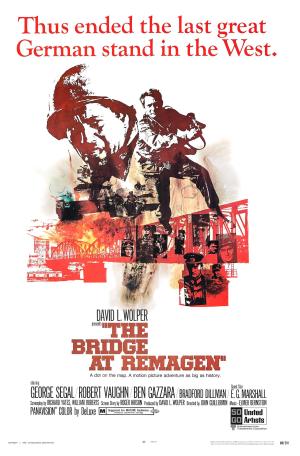
This could have been interesting -- and the film has its moments -- but as it stands it's pretty dull in most respects and positively poor in others. I must say this despite the fact that John Guillerman was my director in the fabulous and much underrated art house classic, "King Kong Lives." (The public loathed it but the critics went ape.)
I don't know where to begin. All the expectable stuff is here -- the sound effects are those you've heard a thousand times in other war movies. The M-1 rifles don't make sounds like CRACK or POP as they do in the real world. They sound like sneezes or like some grotesquely distorted version of the word "cashew." The acting is below par, and based on familiar types: the battle-weary lieutenant, the greedy impudent sergeant, the ambitious green officer who keeps talking about decorations. You want to know what the director thinks of your intelligence? When we first see Segal he's shaving -- and he's not looking at himself in the mirror but at an angle, at the camera, so we see his full face. Even some five-year-olds must be jarred by that.
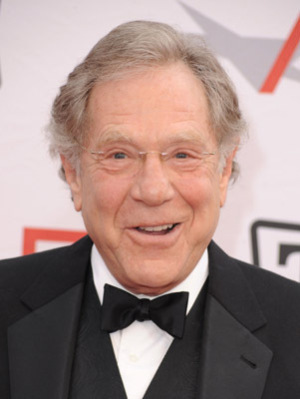
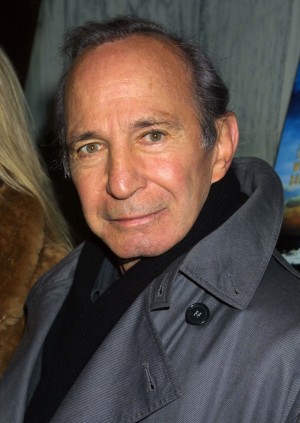
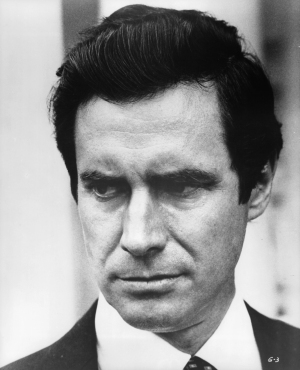
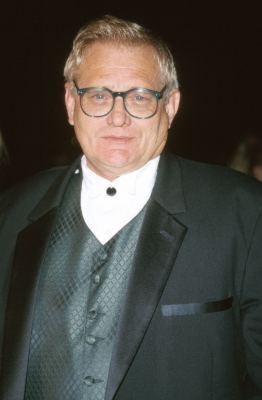
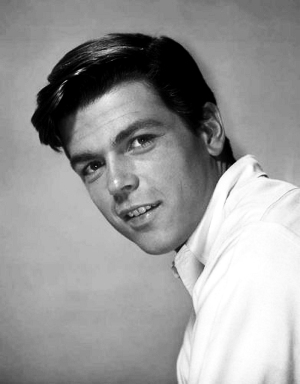
George Segal slouches around and makes expressions once in a while. But he slouches, not as if he's exhausted, but as if he's being casual and informal, as if he were in a Las Vegas lounge. Ben Gazzara is miscast. He's good at roles in which he's quiet, thoughtful, and guarded. But here his character hides absolutely nothing, because there's nothing there. Bradford Dillman has been okay elsewhere, as in "Compulsion," but his self-aggrandizing major is so overdrawn that nobody could fill the demands of the role.
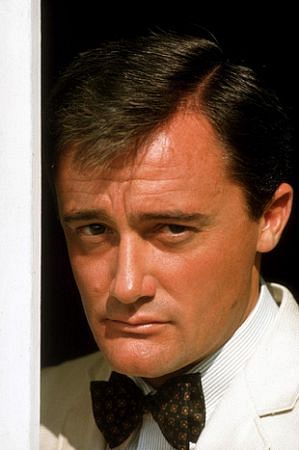
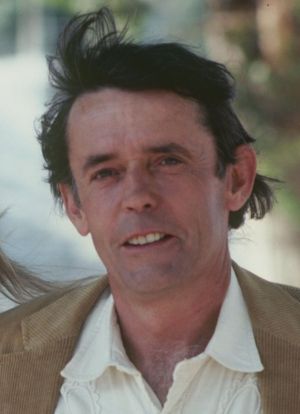
Worst of all is Robert Vaughan. He was just right as the slime ball politician in "Bullitt". The reason he was right in that film and wrong in this one is his voice. The guy has the sharpest sibilants known to man or beast. He doesn't lisp but the poor guy's "s" ends in a high-pitched whistle and the terminal contour is still going up as it exceeds human hearing. For all we know, bats may love it. I don't mean to make fun of him, because that voice can be nicely joined to certain roles, only not this one -- a determined, principled, brave, humane, guilt-ridden German officer. In fact, he and Guillerman have given us the movie's best scene: Vaughan's execution, which he accepts with dignified aplomb while staring distractedly at some airplanes passing overhead. Nothing is made of the scene but it's quietly effective.
The story leaves out the context. The British Field Marshall Montgomery was trying to force a crossing of the Rhine about fifty miles to the north and the Americans were determined to beat him. Both attempts succeeded. The wider story, with its political and national implications, is missing. It wasn't missing in "The Longest Day" or "Patton." At any rate, this is strictly a formulaic and routine effort. Not as abyssal as, say, "Anzio" or "The Battle of the Bulge," but still only barely clearing the bar as entertainment.

 Nikmati film dan acara tanpa batas
 Download konten favorit untuk ditonton offline
 Tampilan mudah, lancar dipakai




'%3e%3cpath%20id='Vector'%20d='M17.3996%2025.7999C17.3996%2025.9838%2017.3634%2026.1658%2017.293%2026.3357C17.2227%2026.5055%2017.1196%2026.6598%2016.9896%2026.7899C16.8596%2026.9199%2016.7052%2027.023%2016.5354%2027.0933C16.3655%2027.1637%2016.1835%2027.1999%2015.9996%2027.1999C15.8158%2027.1999%2015.6337%2027.1637%2015.4639%2027.0933C15.294%2027.023%2015.1397%2026.9199%2015.0097%2026.7899C14.8797%2026.6598%2014.7765%2026.5055%2014.7062%2026.3357C14.6358%2026.1658%2014.5996%2025.9838%2014.5996%2025.7999C14.5996%2025.4286%2014.7471%2025.0725%2015.0097%2024.81C15.2722%2024.5474%2015.6283%2024.3999%2015.9996%2024.3999C16.3709%2024.3999%2016.727%2024.5474%2016.9896%2024.81C17.2521%2025.0725%2017.3996%2025.4286%2017.3996%2025.7999Z'%20fill='white'/%3e%3cpath%20id='Union'%20fill-rule='evenodd'%20clip-rule='evenodd'%20d='M8.5%204H23.5C24.0523%204%2024.5%204.44772%2024.5%205V21.5H7.5V5C7.5%204.44772%207.94772%204%208.5%204ZM5.5%2022.5V5C5.5%203.34315%206.84315%202%208.5%202H23.5C25.1569%202%2026.5%203.34315%2026.5%205V22.5V27C26.5%2028.6569%2025.1569%2030%2023.5%2030H8.5C6.84315%2030%205.5%2028.6569%205.5%2027V22.5ZM24.5%2023.5V27C24.5%2027.5523%2024.0523%2028%2023.5%2028H8.5C7.94772%2028%207.5%2027.5523%207.5%2027V23.5H24.5Z'%20fill='white'/%3e%3cpath%20id='Union_2'%20fill-rule='evenodd'%20clip-rule='evenodd'%20d='M17%209C17%208.44772%2016.5523%208%2016%208C15.4477%208%2015%208.44772%2015%209V13.8258L13.1508%2012.2407C12.7315%2011.8813%2012.1002%2011.9299%2011.7408%2012.3492C11.3813%2012.7685%2011.4299%2013.3998%2011.8492%2013.7593L15.345%2016.7556C15.5205%2016.9079%2015.7495%2017%2016%2017C16.2506%2017%2016.4796%2016.9079%2016.6551%2016.7556L20.1508%2013.7593C20.5701%2013.3998%2020.6187%2012.7685%2020.2593%2012.3492C19.8999%2011.9299%2019.2686%2011.8813%2018.8492%2012.2407L17%2013.8258V9Z'%20fill='white'/%3e%3c/g%3e%3c/svg%3e)