1234money official logo1234money

Command Ctrl

Stream the signal

  • ہوم
  • ٹی وی شو
  • فلم
  • اینیمیشن
  • VSKit
  • سب سے زیادہ دیکھا گیا
  • 1234money ایپ
  • FM Download
  • Games
  • Old 1234money
English
العربية
Français
Bahasa Indonesia
हिन्दी
اردو
Filipino
1234money Download Appایپ
ایپ
مزید دیکھیں1234money home light arrow
1234money downloadلامحدود فلمیں اور شوز دیکھیں
1234money downloadاپنا پسندیدہ مواد ڈاؤن لوڈ کریں اور آف لائن دیکھیں
1234money downloadآسان انٹرفیس اور ہموار کارکردگی
QR کوڈ اسکین کریں اور ڈاؤن لوڈ کریں یا
ایپ ڈاؤن لوڈ کریں
For phones and tablets
TV
1234money TV APK
Android TV کے لیے
1234money header navigation
1234money official logo

1234money

1234money search icon
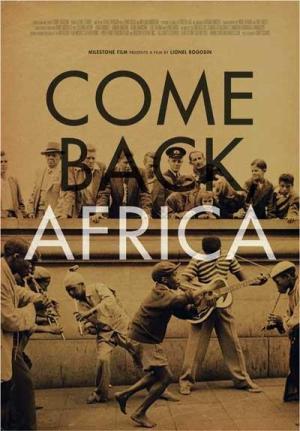
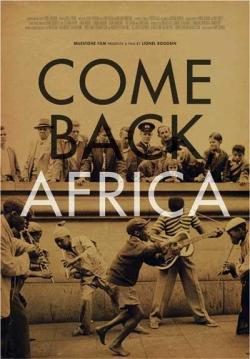
Come Back, Africa

Come Back, Africa

★ 7.11960Movie1 h 35 mامریکہ
دستاویزی فلمڈرامہ

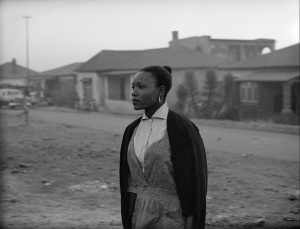
Come Back, Africa chronicles the life of Zachariah, a black South African living under the rule of the harsh apartheid government in 1959.

387 people rated
🔇

Come Back, Africa

1960

R

1 h 35 m

امریکہ

دستاویزی فلم

ڈرامہ

Come Back, Africa chronicles the life of Zachariah, a black South African living under the rule of the harsh apartheid government in 1959.
More

7.1 /10

387 people rated

آن لائن دیکھیں

ایپ میں دیکھیں

share

اقساط

film
lklk
Netflix
Plex

فلم کا ٹریلر

play
ٹاپ کاسٹ(13)
default avatar
Zacharia Mgabi
Self - Zachariah
starring avatar
Vinah Bendile
Self - Vinah
starring avatar
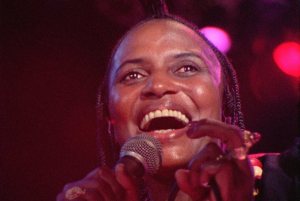
Miriam Makeba
Self - Miriam
default avatar
Lewis Nkosi
Self - Lewis
starring avatar
Bloke Modisane
Self - Bloke
default avatar
Can Themba
Self - Can
default avatar
Myrtle Berman
Self - Myrtle
default avatar
George Malebye
Self - George
default avatar
Morris Hugh
Self - Morris
default avatar
Rams
Self - Rams
starring avatar
Hazel Futa
Self - Hazel
default avatar
Martha
Self - Aunty
default avatar
Lulu Masilela
Self - Penny Whistler

صارف کا جائزہ

author avatar

its.verdex

23/05/2023 04:44
Lionel Rogosin in co-operation with the staff of the iconic Drum magazine of the 1950's create an accurate and unbiased portrayal of township life in South Africa under apartheid. Written by Lewis Nkosi and Bloke Modisane and starring a collection of South Africa's brightest black urban stars of the fifties, this film broke new ground in the manner in which it showcased African urban identity and the hardships and realities of township life in the magical place known as Sophiatown. Rogosin had entered South Africa and shot this film under false pretences while constantly being hounded by strict apartheid legislature. Sophiatown was destroyed by the apartheid government in 1957 and replaced by the white suburb triomf (triump). This film is one of the few documents left that survive a township where black, white, Indian and coloured residents lived together decades before the 'rainbow nation' ideology of modern day South Africa.
author avatar

Sumee Manandhar

23/05/2023 04:44
The vividness of the images in COME BACK Africa give it a thematic gravity that few films can approach or claim. Anyone who has ever worked in the factory will understand Zacharia's sojourn into the mines.The sights of the principal actors moving and living in squalid conditions are so strong you can almost smell the reek of the environs. Zacharia works hard, but the atmosphere of poverty that pervades this story proves to have a stifling effect on everything he is and does and seeks to attain. The draconian measures of Apartheid make it almost impossible to kindle any real hope for upward mobility. Zacharia is allowed only enough freedom to work in the mines and return home. He casts about for a scent of viable opportunities, but the racist climate of South Africa seems to nullify even the consideration of capitalizing on advantages that might come to a person of color. Zacharia works at several jobs, but always seems to somehow violate some kind of social convention that ranks him back among the outcasts. There is a scene where he meets with his peers to discuss informally what kind of options exist to make things better in their lives. There is an improvised feeling about this discussion and it is here where the cinema verite' technique flickers and shines intermittently to reveal flashes of urban character. When Miriam Makeba makes her entrance upon the scene, her sense of inner richness lightens to some degree the mood of futility that hovers over the conversation between friends. I have read this film of ethnofiction was a contributing factor to her escaping South Africa with the help of filmmaker Lionel Rogosin to begin her singing career in America and around the world. Zacharia attempts to create some semblance of family life by bringing his wife to Sophiatown. Vinah suggests to Zacharia that she too find employment, but this proves to be problematic as well, and in the end simply hastens them downward into a spiral of tragedy. Under the umbrella of poverty we watch the characters sing and dance and sigh in protest to the suffocating conditions of apartheid racism. While the ending is abrupt and simply repeats that old familiar refrain of white privilege making up the rules that sponsors and patronizes the impoverishment of the indigenous communities it displaces, this neo-realistic approach gives the subject a fresh and compelling point of view. Since many of the actors are actually playing versions of themselves living a life that they intimately know, the film has an authority that is rooted in reality more than the opinion or the imagination of any particular individual. This gives one the feeling that what the participants are living and feeling and thinking and saying is the real deal and is not a substitute for the truth.
author avatar

2freshles

23/05/2023 04:44
"Come back Africa" is a 1959 black and white film that is part documentary and part fiction. The documentary sections provide a compelling look at life in a Johannesburg township in 1959 and life for blacks and Afrikaners in the City itself. Interwoven with this documentary is a fictional account of the life of a rural Black man who comes to Johannesburg looking for work. All the performers are real people and not actors, which is more than evident, and the scenes take place in real locations. The singer Miriam Makeba (1932-2008) is featured in the film, and as a result of her performance she managed to escape South Africa and came to the U.S. where she began a distinguished career. Producer Lionel Rogosin (1924-2000) helped her escape, supported her, and established the Bleecker Street Cinema in 1960 where "Come Back Africa" and other "art" shows had a chance to be displayed, influencing the careers of many future film makers. I lived in South Africa from 1977 to 1980 and can attest to many of the scenes you will see, which take place in 1959 but which were still present when I was there. By the time I lived there life was less pleasant for many than it was at the time of this filming, if you can imagine that. This is a unique film and one that can be watched mostly for its historical importance, and as a representation of a genre that is under represented. There are many films about life in South Africa. Among the best are "Shaka Zulu" (1986) and "Zulu" (1964) for the colonial days, "Cry the Beloved Country" (1951) and "A Dry White Season" (1989) for the in between years, "Inside" (1996) and "Mandela and de Klerk" (1997) for the more recent vista.
author avatar

TV.Quran ✅

17/05/2023 14:30
Moviecut—Come Back, Africa
author avatar

yonatan derese

02/03/2023 19:22
source: Come Back, Africa
author avatar

kalifa bojang

25/02/2023 22:29
The vividness of the images in COME BACK Africa give it a thematic gravity that few films can approach or claim. Anyone who has ever worked in the factory will understand Zacharia's sojourn into the mines.The sights of the principal actors moving and living in squalid conditions are so strong you can almost smell the reek of the environs. Zacharia works hard, but the atmosphere of poverty that pervades this story proves to have a stifling effect on everything he is and does and seeks to attain. The draconian measures of Apartheid make it almost impossible to kindle any real hope for upward mobility. Zacharia is allowed only enough freedom to work in the mines and return home. He casts about for a scent of viable opportunities, but the racist climate of South Africa seems to nullify even the consideration of capitalizing on advantages that might come to a person of color. Zacharia works at several jobs, but always seems to somehow violate some kind of social convention that ranks him back among the outcasts. There is a scene where he meets with his peers to discuss informally what kind of options exist to make things better in their lives. There is an improvised feeling about this discussion and it is here where the cinema verite' technique flickers and shines intermittently to reveal flashes of urban character. When Miriam Makeba makes her entrance upon the scene, her sense of inner richness lightens to some degree the mood of futility that hovers over the conversation between friends. I have read this film of ethnofiction was a contributing factor to her escaping South Africa with the help of filmmaker Lionel Rogosin to begin her singing career in America and around the world. Zacharia attempts to create some semblance of family life by bringing his wife to Sophiatown. Vinah suggests to Zacharia that she too find employment, but this proves to be problematic as well, and in the end simply hastens them downward into a spiral of tragedy. Under the umbrella of poverty we watch the characters sing and dance and sigh in protest to the suffocating conditions of apartheid racism. While the ending is abrupt and simply repeats that old familiar refrain of white privilege making up the rules that sponsors and patronizes the impoverishment of the indigenous communities it displaces, this neo-realistic approach gives the subject a fresh and compelling point of view. Since many of the actors are actually playing versions of themselves living a life that they intimately know, the film has an authority that is rooted in reality more than the opinion or the imagination of any particular individual. This gives one the feeling that what the participants are living and feeling and thinking and saying is the real deal and is not a substitute for the truth.
author avatar

J Flo

25/02/2023 22:29
Lionel Rogosin in co-operation with the staff of the iconic Drum magazine of the 1950's create an accurate and unbiased portrayal of township life in South Africa under apartheid. Written by Lewis Nkosi and Bloke Modisane and starring a collection of South Africa's brightest black urban stars of the fifties, this film broke new ground in the manner in which it showcased African urban identity and the hardships and realities of township life in the magical place known as Sophiatown. Rogosin had entered South Africa and shot this film under false pretences while constantly being hounded by strict apartheid legislature. Sophiatown was destroyed by the apartheid government in 1957 and replaced by the white suburb triomf (triump). This film is one of the few documents left that survive a township where black, white, Indian and coloured residents lived together decades before the 'rainbow nation' ideology of modern day South Africa.
author avatar

AsifRaza12

25/02/2023 22:29
"Come back Africa" is a 1959 black and white film that is part documentary and part fiction. The documentary sections provide a compelling look at life in a Johannesburg township in 1959 and life for blacks and Afrikaners in the City itself. Interwoven with this documentary is a fictional account of the life of a rural Black man who comes to Johannesburg looking for work. All the performers are real people and not actors, which is more than evident, and the scenes take place in real locations. The singer Miriam Makeba (1932-2008) is featured in the film, and as a result of her performance she managed to escape South Africa and came to the U.S. where she began a distinguished career. Producer Lionel Rogosin (1924-2000) helped her escape, supported her, and established the Bleecker Street Cinema in 1960 where "Come Back Africa" and other "art" shows had a chance to be displayed, influencing the careers of many future film makers. I lived in South Africa from 1977 to 1980 and can attest to many of the scenes you will see, which take place in 1959 but which were still present when I was there. By the time I lived there life was less pleasant for many than it was at the time of this filming, if you can imagine that. This is a unique film and one that can be watched mostly for its historical importance, and as a representation of a genre that is under represented. There are many films about life in South Africa. Among the best are "Shaka Zulu" (1986) and "Zulu" (1964) for the colonial days, "Cry the Beloved Country" (1951) and "A Dry White Season" (1989) for the in between years, "Inside" (1996) and "Mandela and de Klerk" (1997) for the more recent vista.
author avatar

Ashish Gurung

25/02/2023 22:29
This film on apartheid in South Africa established Lionel Rogosin as master of cinema verite. The use of actual settings and non-professional actors in telling a story set a tone of reality far beyond any movies of the time. The images are still haunting five decades later.
author avatar

❤BOBONY CLIP🎬❤

16/11/2022 02:21
This film on apartheid in South Africa established Lionel Rogosin as master of cinema verite. The use of actual settings and non-professional actors in telling a story set a tone of reality far beyond any movies of the time. The images are still haunting five decades later.

صارف کا جائزہ

author avatar

its.verdex

23/05/2023 04:44
Lionel Rogosin in co-operation with the staff of the iconic Drum magazine of the 1950's create an accurate and unbiased portrayal of township life in South Africa under apartheid. Written by Lewis Nkosi and Bloke Modisane and starring a collection of South Africa's brightest black urban stars of the fifties, this film broke new ground in the manner in which it showcased African urban identity and the hardships and realities of township life in the magical place known as Sophiatown. Rogosin had entered South Africa and shot this film under false pretences while constantly being hounded by strict apartheid legislature. Sophiatown was destroyed by the apartheid government in 1957 and replaced by the white suburb triomf (triump). This film is one of the few documents left that survive a township where black, white, Indian and coloured residents lived together decades before the 'rainbow nation' ideology of modern day South Africa.
author avatar

Sumee Manandhar

23/05/2023 04:44
The vividness of the images in COME BACK Africa give it a thematic gravity that few films can approach or claim. Anyone who has ever worked in the factory will understand Zacharia's sojourn into the mines.The sights of the principal actors moving and living in squalid conditions are so strong you can almost smell the reek of the environs. Zacharia works hard, but the atmosphere of poverty that pervades this story proves to have a stifling effect on everything he is and does and seeks to attain. The draconian measures of Apartheid make it almost impossible to kindle any real hope for upward mobility. Zacharia is allowed only enough freedom to work in the mines and return home. He casts about for a scent of viable opportunities, but the racist climate of South Africa seems to nullify even the consideration of capitalizing on advantages that might come to a person of color. Zacharia works at several jobs, but always seems to somehow violate some kind of social convention that ranks him back among the outcasts. There is a scene where he meets with his peers to discuss informally what kind of options exist to make things better in their lives. There is an improvised feeling about this discussion and it is here where the cinema verite' technique flickers and shines intermittently to reveal flashes of urban character. When Miriam Makeba makes her entrance upon the scene, her sense of inner richness lightens to some degree the mood of futility that hovers over the conversation between friends. I have read this film of ethnofiction was a contributing factor to her escaping South Africa with the help of filmmaker Lionel Rogosin to begin her singing career in America and around the world. Zacharia attempts to create some semblance of family life by bringing his wife to Sophiatown. Vinah suggests to Zacharia that she too find employment, but this proves to be problematic as well, and in the end simply hastens them downward into a spiral of tragedy. Under the umbrella of poverty we watch the characters sing and dance and sigh in protest to the suffocating conditions of apartheid racism. While the ending is abrupt and simply repeats that old familiar refrain of white privilege making up the rules that sponsors and patronizes the impoverishment of the indigenous communities it displaces, this neo-realistic approach gives the subject a fresh and compelling point of view. Since many of the actors are actually playing versions of themselves living a life that they intimately know, the film has an authority that is rooted in reality more than the opinion or the imagination of any particular individual. This gives one the feeling that what the participants are living and feeling and thinking and saying is the real deal and is not a substitute for the truth.
author avatar

2freshles

23/05/2023 04:44
"Come back Africa" is a 1959 black and white film that is part documentary and part fiction. The documentary sections provide a compelling look at life in a Johannesburg township in 1959 and life for blacks and Afrikaners in the City itself. Interwoven with this documentary is a fictional account of the life of a rural Black man who comes to Johannesburg looking for work. All the performers are real people and not actors, which is more than evident, and the scenes take place in real locations. The singer Miriam Makeba (1932-2008) is featured in the film, and as a result of her performance she managed to escape South Africa and came to the U.S. where she began a distinguished career. Producer Lionel Rogosin (1924-2000) helped her escape, supported her, and established the Bleecker Street Cinema in 1960 where "Come Back Africa" and other "art" shows had a chance to be displayed, influencing the careers of many future film makers. I lived in South Africa from 1977 to 1980 and can attest to many of the scenes you will see, which take place in 1959 but which were still present when I was there. By the time I lived there life was less pleasant for many than it was at the time of this filming, if you can imagine that. This is a unique film and one that can be watched mostly for its historical importance, and as a representation of a genre that is under represented. There are many films about life in South Africa. Among the best are "Shaka Zulu" (1986) and "Zulu" (1964) for the colonial days, "Cry the Beloved Country" (1951) and "A Dry White Season" (1989) for the in between years, "Inside" (1996) and "Mandela and de Klerk" (1997) for the more recent vista.
author avatar

TV.Quran ✅

17/05/2023 14:30
Moviecut—Come Back, Africa
author avatar

yonatan derese

02/03/2023 19:22
source: Come Back, Africa
author avatar

kalifa bojang

25/02/2023 22:29
The vividness of the images in COME BACK Africa give it a thematic gravity that few films can approach or claim. Anyone who has ever worked in the factory will understand Zacharia's sojourn into the mines.The sights of the principal actors moving and living in squalid conditions are so strong you can almost smell the reek of the environs. Zacharia works hard, but the atmosphere of poverty that pervades this story proves to have a stifling effect on everything he is and does and seeks to attain. The draconian measures of Apartheid make it almost impossible to kindle any real hope for upward mobility. Zacharia is allowed only enough freedom to work in the mines and return home. He casts about for a scent of viable opportunities, but the racist climate of South Africa seems to nullify even the consideration of capitalizing on advantages that might come to a person of color. Zacharia works at several jobs, but always seems to somehow violate some kind of social convention that ranks him back among the outcasts. There is a scene where he meets with his peers to discuss informally what kind of options exist to make things better in their lives. There is an improvised feeling about this discussion and it is here where the cinema verite' technique flickers and shines intermittently to reveal flashes of urban character. When Miriam Makeba makes her entrance upon the scene, her sense of inner richness lightens to some degree the mood of futility that hovers over the conversation between friends. I have read this film of ethnofiction was a contributing factor to her escaping South Africa with the help of filmmaker Lionel Rogosin to begin her singing career in America and around the world. Zacharia attempts to create some semblance of family life by bringing his wife to Sophiatown. Vinah suggests to Zacharia that she too find employment, but this proves to be problematic as well, and in the end simply hastens them downward into a spiral of tragedy. Under the umbrella of poverty we watch the characters sing and dance and sigh in protest to the suffocating conditions of apartheid racism. While the ending is abrupt and simply repeats that old familiar refrain of white privilege making up the rules that sponsors and patronizes the impoverishment of the indigenous communities it displaces, this neo-realistic approach gives the subject a fresh and compelling point of view. Since many of the actors are actually playing versions of themselves living a life that they intimately know, the film has an authority that is rooted in reality more than the opinion or the imagination of any particular individual. This gives one the feeling that what the participants are living and feeling and thinking and saying is the real deal and is not a substitute for the truth.
author avatar

J Flo

25/02/2023 22:29
Lionel Rogosin in co-operation with the staff of the iconic Drum magazine of the 1950's create an accurate and unbiased portrayal of township life in South Africa under apartheid. Written by Lewis Nkosi and Bloke Modisane and starring a collection of South Africa's brightest black urban stars of the fifties, this film broke new ground in the manner in which it showcased African urban identity and the hardships and realities of township life in the magical place known as Sophiatown. Rogosin had entered South Africa and shot this film under false pretences while constantly being hounded by strict apartheid legislature. Sophiatown was destroyed by the apartheid government in 1957 and replaced by the white suburb triomf (triump). This film is one of the few documents left that survive a township where black, white, Indian and coloured residents lived together decades before the 'rainbow nation' ideology of modern day South Africa.
author avatar

AsifRaza12

25/02/2023 22:29
"Come back Africa" is a 1959 black and white film that is part documentary and part fiction. The documentary sections provide a compelling look at life in a Johannesburg township in 1959 and life for blacks and Afrikaners in the City itself. Interwoven with this documentary is a fictional account of the life of a rural Black man who comes to Johannesburg looking for work. All the performers are real people and not actors, which is more than evident, and the scenes take place in real locations. The singer Miriam Makeba (1932-2008) is featured in the film, and as a result of her performance she managed to escape South Africa and came to the U.S. where she began a distinguished career. Producer Lionel Rogosin (1924-2000) helped her escape, supported her, and established the Bleecker Street Cinema in 1960 where "Come Back Africa" and other "art" shows had a chance to be displayed, influencing the careers of many future film makers. I lived in South Africa from 1977 to 1980 and can attest to many of the scenes you will see, which take place in 1959 but which were still present when I was there. By the time I lived there life was less pleasant for many than it was at the time of this filming, if you can imagine that. This is a unique film and one that can be watched mostly for its historical importance, and as a representation of a genre that is under represented. There are many films about life in South Africa. Among the best are "Shaka Zulu" (1986) and "Zulu" (1964) for the colonial days, "Cry the Beloved Country" (1951) and "A Dry White Season" (1989) for the in between years, "Inside" (1996) and "Mandela and de Klerk" (1997) for the more recent vista.
author avatar

Ashish Gurung

25/02/2023 22:29
This film on apartheid in South Africa established Lionel Rogosin as master of cinema verite. The use of actual settings and non-professional actors in telling a story set a tone of reality far beyond any movies of the time. The images are still haunting five decades later.
author avatar

❤BOBONY CLIP🎬❤

16/11/2022 02:21
This film on apartheid in South Africa established Lionel Rogosin as master of cinema verite. The use of actual settings and non-professional actors in telling a story set a tone of reality far beyond any movies of the time. The images are still haunting five decades later.
ڈس کلیمر: 1234money پر موجود تمام ویڈیوز اور تصاویر انٹرنیٹ سے ہیں، اور ان کے کاپی رائٹس اصل تخلیق کاروں کے ہیں۔ ہم صرف ویب پیج کی خدمات فراہم کرتے ہیں اور کسی بھی مواد کو اسٹور، ریکارڈ یا اپ لوڈ نہیں کرتے ہیں۔
ہمارے متعلق :سرکاری لنک جاری 1234.money|1234money APK ڈاؤن لوڈ کریں|رازداری کی پالیسی|صارف معاہدہ
© 2026 1234money. All rights reserved.Telegram
1234money official logo

1234money

English
العربية
Français
Bahasa Indonesia
हिन्दी
اردو
Filipino
ہمارے متعلق
سرکاری لنک جاری1234money APK ڈاؤن لوڈ کریںرازداری کی پالیسیصارف معاہدہ
ڈس کلیمر: 1234money پر موجود تمام ویڈیوز اور تصاویر انٹرنیٹ سے ہیں، اور ان کے کاپی رائٹس اصل تخلیق کاروں کے ہیں۔ ہم صرف ویب پیج کی خدمات فراہم کرتے ہیں اور کسی بھی مواد کو اسٹور، ریکارڈ یا اپ لوڈ نہیں کرتے ہیں۔