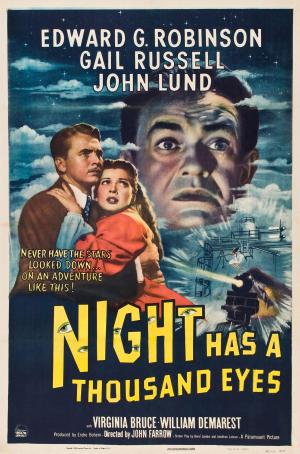
I can't think of a film from any era that has a more captivatingly mysterious mood than this film. Ever since I saw it on TV in the early 60's, I've never forgotten it.
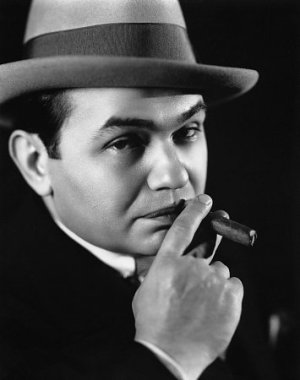
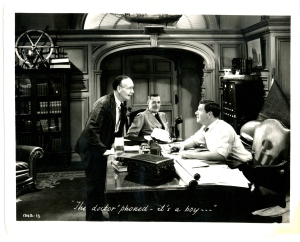
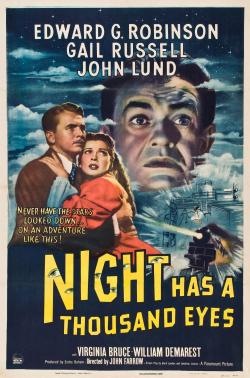
John Triton (Edward G Robinson) is a clairvoyant with a phony act who begins to realize that he can predict the future for real. However, he feels this gift is more of a curse because, although he knows what will happen, he is never able to reverse the outcome.
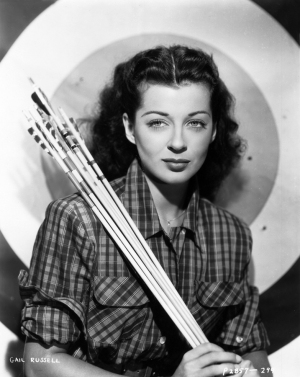
A troubled man, he withdraws into anonymity for 20 years. He returns when he predicts the death of an old friend, and then that of the man's daughter, Jean Courtland (Gail Russell). Eventually he tries to alter the course of the prediction, which also portends his own death.
The seductive style of this film, told for much of its length in flashback, is due to inspired choices in script, direction, photography and music, and of course to Cornell Woolwich's original novel, although most of his plot and characters were jettisoned. What the film did retain was the novel's all-pervading mood. Like other films based on Woolwich's stories such as "Rear Window" and "Original Sin", not much beyond the original idea was ever retained.
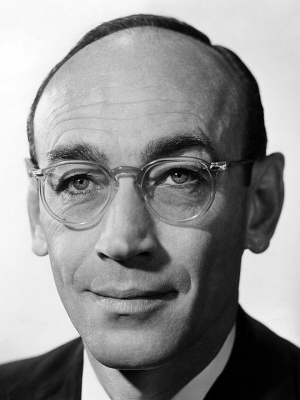
Most importantly, "Night Has a Thousand Eyes" has actors who draw you into the story and hold you there. As the story unfolds you feel that Edward G Robinson's character has gained painful wisdom - he is infinitely patient with all his doubters. Robinson is the focal point of the story and his mellifluous narration sweeps us along.
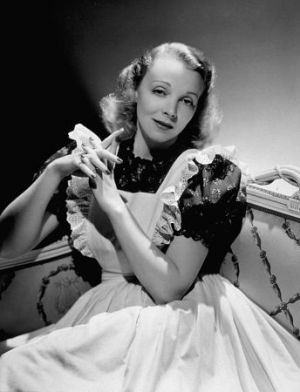
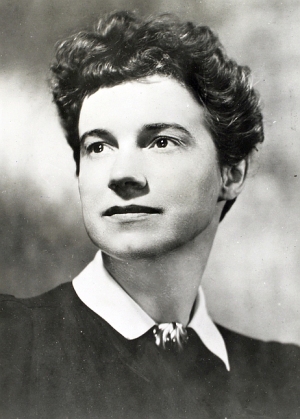
The other person who gives this film depth is the beautiful and ethereal Gail Russell as Jean Courtland. Her performance has added poignancy when you know of the star's real fate - she died at 36 from self-doubt as much as from anything else. She always seemed to project a sense of sadness in her films. What a presence she had; she was always good, but especially so here.
Look how much mood is generated with all the references to the stars above; John Triton predicts that Jean " will die at night, under the stars." Jean becomes haunted by the thought and feels the stars are, "Like a thousand eyes. Watching!" Although there are only a couple of shots of star-studded skies in the film, much of the story is set at night and we feel the presence of the stars all the time. Adding to the sense of something beyond the tangible is Victor Young's velvety score.
The film has a measured pace, particularly Gail Russell and Edward G Robinson's delivery. Expatriate Australian director, John Farrow (Mia's dad), directed the film and much of its style must be down to him. The film was shot mainly on studio sets except for a very effective sequence in San Francisco.
Odd that this film has been so hard to track down, it is simply one of the best of its kind, and is impossible to forget.

 لامحدود فلمیں اور شوز دیکھیں
 اپنا پسندیدہ مواد ڈاؤن لوڈ کریں اور آف لائن دیکھیں
 آسان انٹرفیس اور ہموار کارکردگی
















'%3e%3cpath%20id='Vector'%20d='M17.3996%2025.7999C17.3996%2025.9838%2017.3634%2026.1658%2017.293%2026.3357C17.2227%2026.5055%2017.1196%2026.6598%2016.9896%2026.7899C16.8596%2026.9199%2016.7052%2027.023%2016.5354%2027.0933C16.3655%2027.1637%2016.1835%2027.1999%2015.9996%2027.1999C15.8158%2027.1999%2015.6337%2027.1637%2015.4639%2027.0933C15.294%2027.023%2015.1397%2026.9199%2015.0097%2026.7899C14.8797%2026.6598%2014.7765%2026.5055%2014.7062%2026.3357C14.6358%2026.1658%2014.5996%2025.9838%2014.5996%2025.7999C14.5996%2025.4286%2014.7471%2025.0725%2015.0097%2024.81C15.2722%2024.5474%2015.6283%2024.3999%2015.9996%2024.3999C16.3709%2024.3999%2016.727%2024.5474%2016.9896%2024.81C17.2521%2025.0725%2017.3996%2025.4286%2017.3996%2025.7999Z'%20fill='white'/%3e%3cpath%20id='Union'%20fill-rule='evenodd'%20clip-rule='evenodd'%20d='M8.5%204H23.5C24.0523%204%2024.5%204.44772%2024.5%205V21.5H7.5V5C7.5%204.44772%207.94772%204%208.5%204ZM5.5%2022.5V5C5.5%203.34315%206.84315%202%208.5%202H23.5C25.1569%202%2026.5%203.34315%2026.5%205V22.5V27C26.5%2028.6569%2025.1569%2030%2023.5%2030H8.5C6.84315%2030%205.5%2028.6569%205.5%2027V22.5ZM24.5%2023.5V27C24.5%2027.5523%2024.0523%2028%2023.5%2028H8.5C7.94772%2028%207.5%2027.5523%207.5%2027V23.5H24.5Z'%20fill='white'/%3e%3cpath%20id='Union_2'%20fill-rule='evenodd'%20clip-rule='evenodd'%20d='M17%209C17%208.44772%2016.5523%208%2016%208C15.4477%208%2015%208.44772%2015%209V13.8258L13.1508%2012.2407C12.7315%2011.8813%2012.1002%2011.9299%2011.7408%2012.3492C11.3813%2012.7685%2011.4299%2013.3998%2011.8492%2013.7593L15.345%2016.7556C15.5205%2016.9079%2015.7495%2017%2016%2017C16.2506%2017%2016.4796%2016.9079%2016.6551%2016.7556L20.1508%2013.7593C20.5701%2013.3998%2020.6187%2012.7685%2020.2593%2012.3492C19.8999%2011.9299%2019.2686%2011.8813%2018.8492%2012.2407L17%2013.8258V9Z'%20fill='white'/%3e%3c/g%3e%3c/svg%3e)
