1234money official logo1234money

Command Ctrl

Stream the signal

  • Home
  • TV show
  • Movie
  • Animation
  • VSKit
  • Most Watched
  • 1234money App
  • FM Download
  • Games
  • Old 1234money
English
العربية
Français
Bahasa Indonesia
हिन्दी
اردو
Filipino
1234money Download AppDownload App
Download App
View more1234money home light arrow
1234money downloadEnjoy unlimited movies and shows
1234money downloadDownload your favorite content to watch offline
1234money downloadSimple interface & smooth performance
Scan QR code to download or
Download 1234money
For phones and tablets
TV
1234money TV APK
For Android TV
1234money header navigation
1234money official logo

1234money

1234money search icon
Angola Do You Hear Us? Voices from a Plantation Prison

Angola Do You Hear Us? Voices from a Plantation Prison

★ 6.42022Movie2 h 0 mUnited States
DocumentaryShort

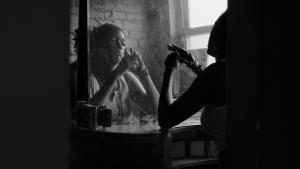
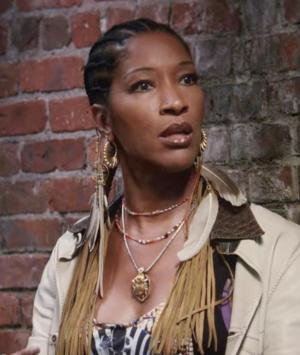
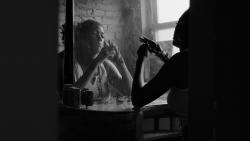
Angola Do You Hear Us? Voices from a Plantation Prison gives us a window into playwright Liza Jessie Peterson's performance in 2020 of her acclaimed play The Peculiar Patriot performed at Angola, the Louisiana State Penitentiary, said to be America's largest prison.
79 people rated
🔇

Angola Do You Hear Us? Voices from a Plantation Prison

2022

R

2 h 0 m

United States

Documentary

Short

Angola Do You Hear Us? Voices from a Plantation Prison gives us a window into playwright Liza Jessie Peterson's performance in 2020 of her acclaimed play The Peculiar Patriot performed at Angola, the Louisiana State Penitentiary, said to be America's largest prison.
More

6.4 /10

79 people rated

Watch Online

Watch in App

share

Episodes

film
lklk
Netflix
Plex

Trailer

play
Top Cast(2)
default avatar
Norris Henderson
Self
starring avatar
Liza Jessie Peterson
Self - Liza Jessie Peterson

User Review

author avatar

Riri

29/05/2023 11:00
source: Angola Do You Hear Us? Voices from a Plantation Prison
author avatar

Esibae🇬🇭♍

23/05/2023 03:58
You will not see a play here. This is a documentary about Liza Jessie Peterson's endeavor to perform her play, "The Peculiar Patriot" at Angola, the Louisiana State Penitentiary. In so doing, she opens our eyes to the plight of minority prisoners (in particular black prisoners) in the US. The film opens with her travel to the prison. Angola is on the land of a former Southern Plantation and took its name from that plantation. The land is farmed, and cattle are raised there, for food, making the prison a self-sustaining legacy to its former status as a slave plantation. Even cotton is grown there. The difference is the black slaves have been replaced by predominantly black prisoners. The majority of drug dealing, and petty crimes are committed by white people, but the majority of those sent to prison for minor crimes instead of community service and parole, are black and latino. They work long hard hours and lose much of their youth lost in the criminal justice system. The play was intended to focus on that truth with some humor thrown in to entertain the prisoners. The prison authorities couldn't handle that truth being shown in the play and shut it down partway through the performance. But it was too late, as the prisoners' eyes were opened, and they rose up nonviolently with fists raised. This opened up conversations and dialog among those at Angola. Hopefully this film gets a wider audience and opens eyes around the entire country to criminal justice and racial inequality reforms. The best part was that this documentary was performed with both truth and compassion, without violence or angry shouts, that might turn off some segments of society. This film has the potential to do a lot of good, if we can get enough people to see it. This short film needs to go viral.
author avatar

inaya Mirani

13/04/2023 10:18
source: Angola Do You Hear Us? Voices from a Plantation Prison
author avatar

🙈Parul🙉 Dabas🙊

13/04/2023 10:18
You will not see a play here. This is a documentary about Liza Jessie Peterson's endeavor to perform her play, "The Peculiar Patriot" at Angola, the Louisiana State Penitentiary. In so doing, she opens our eyes to the plight of minority prisoners (in particular black prisoners) in the US. The film opens with her travel to the prison. Angola is on the land of a former Southern Plantation and took its name from that plantation. The land is farmed, and cattle are raised there, for food, making the prison a self-sustaining legacy to its former status as a slave plantation. Even cotton is grown there. The difference is the black slaves have been replaced by predominantly black prisoners. The majority of drug dealing, and petty crimes are committed by white people, but the majority of those sent to prison for minor crimes instead of community service and parole, are black and latino. They work long hard hours and lose much of their youth lost in the criminal justice system. The play was intended to focus on that truth with some humor thrown in to entertain the prisoners. The prison authorities couldn't handle that truth being shown in the play and shut it down partway through the performance. But it was too late, as the prisoners' eyes were opened, and they rose up nonviolently with fists raised. This opened up conversations and dialog among those at Angola. Hopefully this film gets a wider audience and opens eyes around the entire country to criminal justice and racial inequality reforms. The best part was that this documentary was performed with both truth and compassion, without violence or angry shouts, that might turn off some segments of society. This film has the potential to do a lot of good, if we can get enough people to see it. This short film needs to go viral.
— No more content —

User Review

author avatar

Riri

29/05/2023 11:00
source: Angola Do You Hear Us? Voices from a Plantation Prison
author avatar

Esibae🇬🇭♍

23/05/2023 03:58
You will not see a play here. This is a documentary about Liza Jessie Peterson's endeavor to perform her play, "The Peculiar Patriot" at Angola, the Louisiana State Penitentiary. In so doing, she opens our eyes to the plight of minority prisoners (in particular black prisoners) in the US. The film opens with her travel to the prison. Angola is on the land of a former Southern Plantation and took its name from that plantation. The land is farmed, and cattle are raised there, for food, making the prison a self-sustaining legacy to its former status as a slave plantation. Even cotton is grown there. The difference is the black slaves have been replaced by predominantly black prisoners. The majority of drug dealing, and petty crimes are committed by white people, but the majority of those sent to prison for minor crimes instead of community service and parole, are black and latino. They work long hard hours and lose much of their youth lost in the criminal justice system. The play was intended to focus on that truth with some humor thrown in to entertain the prisoners. The prison authorities couldn't handle that truth being shown in the play and shut it down partway through the performance. But it was too late, as the prisoners' eyes were opened, and they rose up nonviolently with fists raised. This opened up conversations and dialog among those at Angola. Hopefully this film gets a wider audience and opens eyes around the entire country to criminal justice and racial inequality reforms. The best part was that this documentary was performed with both truth and compassion, without violence or angry shouts, that might turn off some segments of society. This film has the potential to do a lot of good, if we can get enough people to see it. This short film needs to go viral.
author avatar

inaya Mirani

13/04/2023 10:18
source: Angola Do You Hear Us? Voices from a Plantation Prison
author avatar

🙈Parul🙉 Dabas🙊

13/04/2023 10:18
You will not see a play here. This is a documentary about Liza Jessie Peterson's endeavor to perform her play, "The Peculiar Patriot" at Angola, the Louisiana State Penitentiary. In so doing, she opens our eyes to the plight of minority prisoners (in particular black prisoners) in the US. The film opens with her travel to the prison. Angola is on the land of a former Southern Plantation and took its name from that plantation. The land is farmed, and cattle are raised there, for food, making the prison a self-sustaining legacy to its former status as a slave plantation. Even cotton is grown there. The difference is the black slaves have been replaced by predominantly black prisoners. The majority of drug dealing, and petty crimes are committed by white people, but the majority of those sent to prison for minor crimes instead of community service and parole, are black and latino. They work long hard hours and lose much of their youth lost in the criminal justice system. The play was intended to focus on that truth with some humor thrown in to entertain the prisoners. The prison authorities couldn't handle that truth being shown in the play and shut it down partway through the performance. But it was too late, as the prisoners' eyes were opened, and they rose up nonviolently with fists raised. This opened up conversations and dialog among those at Angola. Hopefully this film gets a wider audience and opens eyes around the entire country to criminal justice and racial inequality reforms. The best part was that this documentary was performed with both truth and compassion, without violence or angry shouts, that might turn off some segments of society. This film has the potential to do a lot of good, if we can get enough people to see it. This short film needs to go viral.
— No more content —
Disclaimer: All videos and pictures on 1234money are from the Internet, and their copyrights belong to the original creators. We only provide webpage services and do not store, record, or upload any content.
About 1234money:Official Link Release 1234.money|Download 1234money APK|Privacy Policy|User Agreement
© 2026 1234money. All rights reserved.Telegram
1234money official logo

1234money

English
العربية
Français
Bahasa Indonesia
हिन्दी
اردو
Filipino
About 1234money
Official Link ReleaseDownload 1234money APKPrivacy PolicyUser Agreement
Disclaimer: All videos and pictures on 1234money are from the Internet, and their copyrights belong to the original creators. We only provide webpage services and do not store, record, or upload any content.