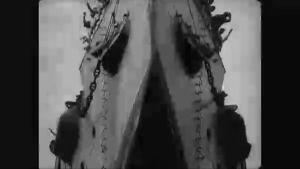
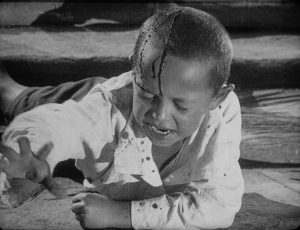
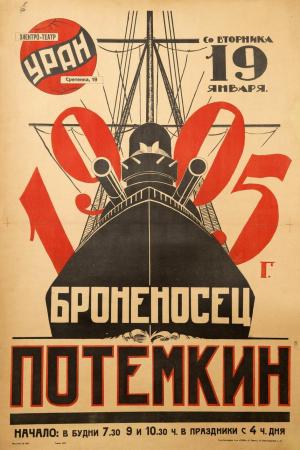
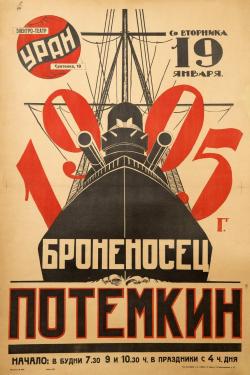
The first time I saw Potemkin, I must have been around 12, and I
bet it was the first silent drama I'd seen, after Metropolis. I hated it.
I saw it recently again, along with a couple of other Eisenstein
pictures. While I felt that Strike and October were both superior
films, I really liked Potemkin a lot more.
Now, also I understand more some of the things Eisenstein was
doing with editing and camera work. I would like to point out, to
those who say Eisenstein invented "montage", that D.W. Griffith
was doing the same thing ten years earlier. Extreme close-ups
came around in 1903, with films like The Gay Shoe Clerk.
Tracking shots are in a huge number of films predating this film by
almost a decade (Intolerance, Cabiria). No, Eisenstein did not
invent these visual tools. Nor did he really perfect them (I doubt
anyone has truly done that). What he did was try to utilize them to
create a stirring and powerful cinematic experience, which he
certainly did.
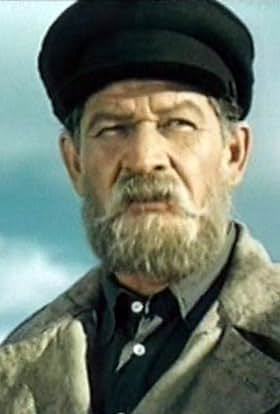
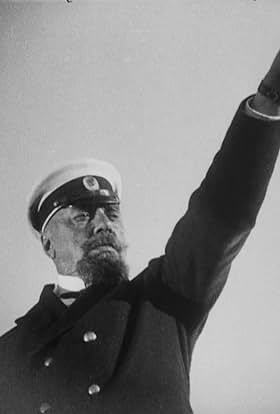
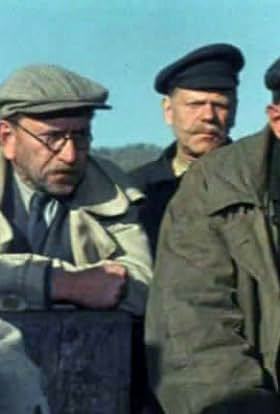
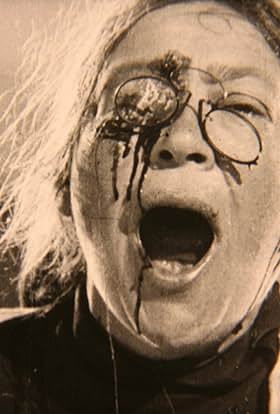
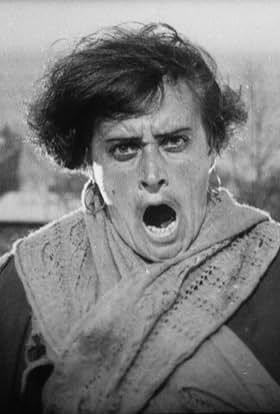
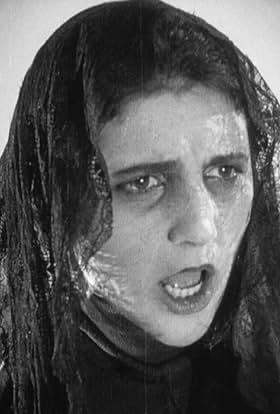
One thing I love about Eisenstein's films is his use of "types",
really distinctive-looking actors. The citizens of Odessa look
fascinating, especially the wealthy-looking woman with the veiled
hat. The ship's creepy-looking, bearded and mustachioed doctor
was very effective as an evil presence just asking to be overthrown.
Eisenstein also provides us with plenty of beefy, sexy sailors,
which you really can't complain about. Those opening scenes are
pretty hot, if you ask me.
So, overall, this is a good film. I like the acting, the camerawork,
the editing. However, I wish film professors would stop showing
the Odessa steps sequence in their classes. Young students with
no understanding of Soviet cinema will watch that and promptly
give up on the genre. The scene feels clumsy and disconnected
today, and plays on the common misperception that all silent film
was overstated gesturing and unrealistic character decisions. At
least they're not showing them Earth (I hope).

 Enjoy unlimited movies and shows
 Download your favorite content to watch offline
 Simple interface & smooth performance




'%3e%3cpath%20id='Vector'%20d='M17.3996%2025.7999C17.3996%2025.9838%2017.3634%2026.1658%2017.293%2026.3357C17.2227%2026.5055%2017.1196%2026.6598%2016.9896%2026.7899C16.8596%2026.9199%2016.7052%2027.023%2016.5354%2027.0933C16.3655%2027.1637%2016.1835%2027.1999%2015.9996%2027.1999C15.8158%2027.1999%2015.6337%2027.1637%2015.4639%2027.0933C15.294%2027.023%2015.1397%2026.9199%2015.0097%2026.7899C14.8797%2026.6598%2014.7765%2026.5055%2014.7062%2026.3357C14.6358%2026.1658%2014.5996%2025.9838%2014.5996%2025.7999C14.5996%2025.4286%2014.7471%2025.0725%2015.0097%2024.81C15.2722%2024.5474%2015.6283%2024.3999%2015.9996%2024.3999C16.3709%2024.3999%2016.727%2024.5474%2016.9896%2024.81C17.2521%2025.0725%2017.3996%2025.4286%2017.3996%2025.7999Z'%20fill='white'/%3e%3cpath%20id='Union'%20fill-rule='evenodd'%20clip-rule='evenodd'%20d='M8.5%204H23.5C24.0523%204%2024.5%204.44772%2024.5%205V21.5H7.5V5C7.5%204.44772%207.94772%204%208.5%204ZM5.5%2022.5V5C5.5%203.34315%206.84315%202%208.5%202H23.5C25.1569%202%2026.5%203.34315%2026.5%205V22.5V27C26.5%2028.6569%2025.1569%2030%2023.5%2030H8.5C6.84315%2030%205.5%2028.6569%205.5%2027V22.5ZM24.5%2023.5V27C24.5%2027.5523%2024.0523%2028%2023.5%2028H8.5C7.94772%2028%207.5%2027.5523%207.5%2027V23.5H24.5Z'%20fill='white'/%3e%3cpath%20id='Union_2'%20fill-rule='evenodd'%20clip-rule='evenodd'%20d='M17%209C17%208.44772%2016.5523%208%2016%208C15.4477%208%2015%208.44772%2015%209V13.8258L13.1508%2012.2407C12.7315%2011.8813%2012.1002%2011.9299%2011.7408%2012.3492C11.3813%2012.7685%2011.4299%2013.3998%2011.8492%2013.7593L15.345%2016.7556C15.5205%2016.9079%2015.7495%2017%2016%2017C16.2506%2017%2016.4796%2016.9079%2016.6551%2016.7556L20.1508%2013.7593C20.5701%2013.3998%2020.6187%2012.7685%2020.2593%2012.3492C19.8999%2011.9299%2019.2686%2011.8813%2018.8492%2012.2407L17%2013.8258V9Z'%20fill='white'/%3e%3c/g%3e%3c/svg%3e)