1234money official logo1234money

Command Ctrl

Stream the signal

  • Home
  • TV show
  • Movie
  • Animation
  • VSKit
  • Most Watched
  • 1234money App
  • FM Download
  • Games
  • Old 1234money
English
العربية
Français
Bahasa Indonesia
हिन्दी
اردو
Filipino
1234money Download AppDownload App
Download App
View more1234money home light arrow
1234money downloadEnjoy unlimited movies and shows
1234money downloadDownload your favorite content to watch offline
1234money downloadSimple interface & smooth performance
Scan QR code to download or
Download 1234money
For phones and tablets
TV
1234money TV APK
For Android TV
1234money header navigation
1234money official logo

1234money

1234money search icon
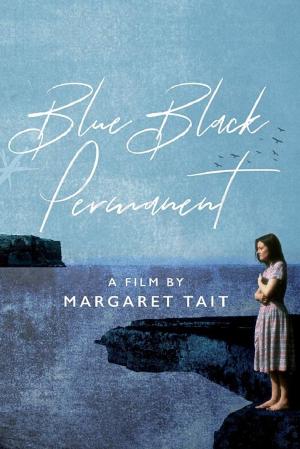
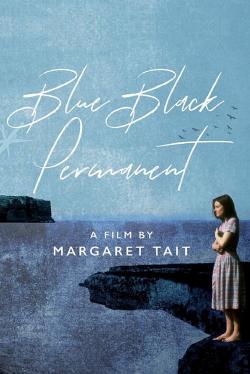
Blue Black Permanent

Blue Black Permanent

★ 6.41992Movie1 h 26 mUnited Kingdom
Drama

Barbara Thorburn wiles away the hours with memories of Greta, her mother, the poet.

228 people rated
🔇

Blue Black Permanent

1992

R

1 h 26 m

United Kingdom

Drama

Barbara Thorburn wiles away the hours with memories of Greta, her mother, the poet.
More

6.4 /10

228 people rated

Watch Online

Watch in App

share

Episodes

film
lklk
Netflix
Plex

Trailer

play
Top Cast(18)
starring avatar
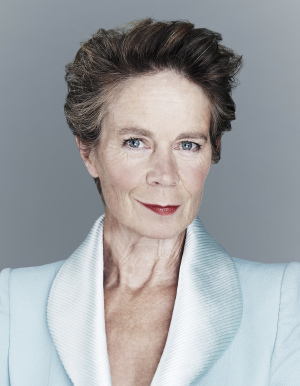
Celia Imrie
Barbara Thorburn
starring avatar
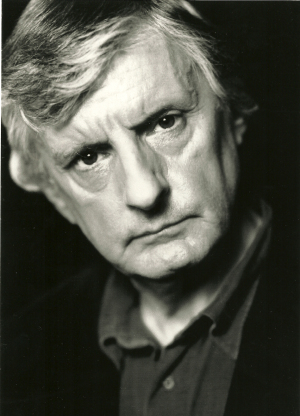
Jack Shepherd
Philip Lomax
starring avatar
Gerda Stevenson
Greta Thorburn
starring avatar
James Fleet
Jim Thorburn
starring avatar
Sean Scanlan
Andrew Cunningham
default avatar
Hilary Maclean
Wendy
default avatar
Walter Leask
Sam Kelday
default avatar
Sheana Marr
Mrs. Kemp
default avatar
Eoin MacDonald
Dan of Fea
default avatar
Jimmy Moar
Billy Spence
starring avatar
Liz Robertson
Mary Kelday
default avatar
Bobby Bews
Grandfather Bews
default avatar
Keith Hutcheon
Roger
default avatar
Mairi Wallace
Shoe Salesgirl
default avatar
Pamela Kelly
Mrs. Brodie
default avatar
Joan Alcorn
Mrs. Kilgour
default avatar
Lisa Grindall
Joan Kilgour
default avatar
Gowan Calder
Eileen

User Review

author avatar

abdillah.eloufir

29/05/2023 13:42
source: Blue Black Permanent
author avatar

Uvesh Manjra

23/05/2023 06:21
The only feature film to be directed by Margaret Tait, made when she was in her seventies, is this memory piece that looks at the lives of three generations of Scottish women. It's a demanding, non-narrative picture as much concerned with buildings, props and landscapes as it is with people. Indeed, with the exception of the superb Gerda Stevenson, the rest of the cast act in a blank, one-dimensional fashion. Tait obviusly had no real experience of working with actors and her dialogue is largely banal. It is the look of the film that matters and even that is largely banal, too. Tait photographs everyday objects with an almost fetishistic glee. It might have been a better film had she dispensed with dialogue altogether. Apart from the odd art-house screening at the time of its (very limited) release it hasn't been much seen and has now built up something of an (undeserved) cult reputation.
author avatar

Bright Stars

23/05/2023 06:21
The film deals with relationships between three generations in Edinburgh and Orkney. It is partly about the familiar problem of trying to reconstruct what people thought when it is too late to ask them. Much of the film is presented in a matter of fact way, but some of the issues left open will make you think about them long after you have seen the film. The main professional actors in the cast have enjoyed active careers in theatre, radio and television in the UK. The Orkney photography and characters, probably played by local people, are sufficient reasons in themselves to see the film. If you do not know the director Margaret Tait, try to guess her biography from the film. It is only the lack of comments from other people that has made me write about a film I have seen only twice, most recently about two years ago in Edinburgh. Some of the audience applauded at the end, which does not happen often here. Perhaps they were visitors being polite about the Edinburgh setting. This may not be a great film, but it is a good film with several images I shall always remember. I have not gone near a sea-cave since.
author avatar

Priya limbu

23/05/2023 06:21
Aside from the absolutely beautiful scenery of Orkney, this movie is really not worth watching. I had been looking forward to seeing this because I was very interested in seeing a film directed by a Scottish woman (there are few) and my film prof told me that the director's short films were brilliant. I was extraordinarily disappointed. It takes place in three time periods, with the most modern one being the most irritating (is it a play? is it a movie?). The plot is nearly non-existent...it has something to do with a family of slightly wacky women who have a tendency to drown, with some attempts to have an evil city/wonderful country seaside conflict, but the effect is extremely muddled. My advice? Don't bother with this one.
author avatar

salma_salmita111

23/05/2023 06:21
I'm only sorry that the director didn't make more feature-length films. I absolutely loved this. The plot is well laid out - it explores the reminiscences of a daughter who is coming to terms with her mother's death. The acting is first rate, particularly from the two female leads. It is thought-provoking in a very British way which is unfortunately lacking in many emerging UK films. The film incorporates lingering shots of scenery in Edinburgh and Orkney. It is careful and measured but in a way that, for me, does not detract from the pace of the film. It certainly takes a mature outlook and some patience to enjoy the film. Perhaps it is one that you either love or hate.
author avatar

Youssef Aoutoul

23/05/2023 06:21
Blue Black Permanent is the only full-length feature made by Margaret Tait, when she was already in her 70's - it's a work of consistent beautifully idiosyncratic wisdom, of someone deeply immersed in her environment and mode of engaging with the world, while in no way resisting the inevitability of moving on. In some ways, one might see some strenuousness in its periodic insistence on modernity, a visit to a night club for instance; certainly it feels like Tait was rather beguiled by recording the present in a way that would guarantee it becoming dated. This chimes with the film's unusual structuring absences - it emphasizes its characters' identities as poets or artists or photographers, but is reticent on actually allowing us into their work, especially to the extent it's escaped from them to be exhibited or posthumously consumed. Tait spends as much time on moments that may seem inconsequential in themselves - a day at the beach, a visit to the shoe store - but only to assert the arbitrariness of memory, how it privileges strange shards of experience even as it erases major chunks of biographical data. In this sense, things that are painfully unknowable - preeminently here, even after decades of self-interrogation, the reasons why one's mother would suddenly have drowned - may ultimately find rest, in the contemplation that even apparently objective truths become reshaped and eroded by the flow of time and memory (the sea is a major thematic force here, both as glory and threat). But this isn't to deny the pleasure of looking back: some of the film's loveliest sequences are flashbacks to the mother's life, not least a trip to the island where her ailing father now lives alone, temporarily immersing us in the rituals of making tea and laughing with friends over old stories, and the delight of receiving a modest but personal gift (homemade honey, its impact as transcendent here as that of the more traditional arts).
author avatar

Markus Steven Wicki

22/05/2023 01:34
Moviecut—Blue Black Permanent
author avatar

Allu Sirish

13/03/2023 14:50
source: Blue Black Permanent
author avatar

hynd14

13/03/2023 14:50
I'm only sorry that the director didn't make more feature-length films. I absolutely loved this. The plot is well laid out - it explores the reminiscences of a daughter who is coming to terms with her mother's death. The acting is first rate, particularly from the two female leads. It is thought-provoking in a very British way which is unfortunately lacking in many emerging UK films. The film incorporates lingering shots of scenery in Edinburgh and Orkney. It is careful and measured but in a way that, for me, does not detract from the pace of the film. It certainly takes a mature outlook and some patience to enjoy the film. Perhaps it is one that you either love or hate.
author avatar

␈اقدوره العقوري👉🔥

13/03/2023 14:50
The only feature film to be directed by Margaret Tait, made when she was in her seventies, is this memory piece that looks at the lives of three generations of Scottish women. It's a demanding, non-narrative picture as much concerned with buildings, props and landscapes as it is with people. Indeed, with the exception of the superb Gerda Stevenson, the rest of the cast act in a blank, one-dimensional fashion. Tait obviusly had no real experience of working with actors and her dialogue is largely banal. It is the look of the film that matters and even that is largely banal, too. Tait photographs everyday objects with an almost fetishistic glee. It might have been a better film had she dispensed with dialogue altogether. Apart from the odd art-house screening at the time of its (very limited) release it hasn't been much seen and has now built up something of an (undeserved) cult reputation.

User Review

author avatar

abdillah.eloufir

29/05/2023 13:42
source: Blue Black Permanent
author avatar

Uvesh Manjra

23/05/2023 06:21
The only feature film to be directed by Margaret Tait, made when she was in her seventies, is this memory piece that looks at the lives of three generations of Scottish women. It's a demanding, non-narrative picture as much concerned with buildings, props and landscapes as it is with people. Indeed, with the exception of the superb Gerda Stevenson, the rest of the cast act in a blank, one-dimensional fashion. Tait obviusly had no real experience of working with actors and her dialogue is largely banal. It is the look of the film that matters and even that is largely banal, too. Tait photographs everyday objects with an almost fetishistic glee. It might have been a better film had she dispensed with dialogue altogether. Apart from the odd art-house screening at the time of its (very limited) release it hasn't been much seen and has now built up something of an (undeserved) cult reputation.
author avatar

Bright Stars

23/05/2023 06:21
The film deals with relationships between three generations in Edinburgh and Orkney. It is partly about the familiar problem of trying to reconstruct what people thought when it is too late to ask them. Much of the film is presented in a matter of fact way, but some of the issues left open will make you think about them long after you have seen the film. The main professional actors in the cast have enjoyed active careers in theatre, radio and television in the UK. The Orkney photography and characters, probably played by local people, are sufficient reasons in themselves to see the film. If you do not know the director Margaret Tait, try to guess her biography from the film. It is only the lack of comments from other people that has made me write about a film I have seen only twice, most recently about two years ago in Edinburgh. Some of the audience applauded at the end, which does not happen often here. Perhaps they were visitors being polite about the Edinburgh setting. This may not be a great film, but it is a good film with several images I shall always remember. I have not gone near a sea-cave since.
author avatar

Priya limbu

23/05/2023 06:21
Aside from the absolutely beautiful scenery of Orkney, this movie is really not worth watching. I had been looking forward to seeing this because I was very interested in seeing a film directed by a Scottish woman (there are few) and my film prof told me that the director's short films were brilliant. I was extraordinarily disappointed. It takes place in three time periods, with the most modern one being the most irritating (is it a play? is it a movie?). The plot is nearly non-existent...it has something to do with a family of slightly wacky women who have a tendency to drown, with some attempts to have an evil city/wonderful country seaside conflict, but the effect is extremely muddled. My advice? Don't bother with this one.
author avatar

salma_salmita111

23/05/2023 06:21
I'm only sorry that the director didn't make more feature-length films. I absolutely loved this. The plot is well laid out - it explores the reminiscences of a daughter who is coming to terms with her mother's death. The acting is first rate, particularly from the two female leads. It is thought-provoking in a very British way which is unfortunately lacking in many emerging UK films. The film incorporates lingering shots of scenery in Edinburgh and Orkney. It is careful and measured but in a way that, for me, does not detract from the pace of the film. It certainly takes a mature outlook and some patience to enjoy the film. Perhaps it is one that you either love or hate.
author avatar

Youssef Aoutoul

23/05/2023 06:21
Blue Black Permanent is the only full-length feature made by Margaret Tait, when she was already in her 70's - it's a work of consistent beautifully idiosyncratic wisdom, of someone deeply immersed in her environment and mode of engaging with the world, while in no way resisting the inevitability of moving on. In some ways, one might see some strenuousness in its periodic insistence on modernity, a visit to a night club for instance; certainly it feels like Tait was rather beguiled by recording the present in a way that would guarantee it becoming dated. This chimes with the film's unusual structuring absences - it emphasizes its characters' identities as poets or artists or photographers, but is reticent on actually allowing us into their work, especially to the extent it's escaped from them to be exhibited or posthumously consumed. Tait spends as much time on moments that may seem inconsequential in themselves - a day at the beach, a visit to the shoe store - but only to assert the arbitrariness of memory, how it privileges strange shards of experience even as it erases major chunks of biographical data. In this sense, things that are painfully unknowable - preeminently here, even after decades of self-interrogation, the reasons why one's mother would suddenly have drowned - may ultimately find rest, in the contemplation that even apparently objective truths become reshaped and eroded by the flow of time and memory (the sea is a major thematic force here, both as glory and threat). But this isn't to deny the pleasure of looking back: some of the film's loveliest sequences are flashbacks to the mother's life, not least a trip to the island where her ailing father now lives alone, temporarily immersing us in the rituals of making tea and laughing with friends over old stories, and the delight of receiving a modest but personal gift (homemade honey, its impact as transcendent here as that of the more traditional arts).
author avatar

Markus Steven Wicki

22/05/2023 01:34
Moviecut—Blue Black Permanent
author avatar

Allu Sirish

13/03/2023 14:50
source: Blue Black Permanent
author avatar

hynd14

13/03/2023 14:50
I'm only sorry that the director didn't make more feature-length films. I absolutely loved this. The plot is well laid out - it explores the reminiscences of a daughter who is coming to terms with her mother's death. The acting is first rate, particularly from the two female leads. It is thought-provoking in a very British way which is unfortunately lacking in many emerging UK films. The film incorporates lingering shots of scenery in Edinburgh and Orkney. It is careful and measured but in a way that, for me, does not detract from the pace of the film. It certainly takes a mature outlook and some patience to enjoy the film. Perhaps it is one that you either love or hate.
author avatar

␈اقدوره العقوري👉🔥

13/03/2023 14:50
The only feature film to be directed by Margaret Tait, made when she was in her seventies, is this memory piece that looks at the lives of three generations of Scottish women. It's a demanding, non-narrative picture as much concerned with buildings, props and landscapes as it is with people. Indeed, with the exception of the superb Gerda Stevenson, the rest of the cast act in a blank, one-dimensional fashion. Tait obviusly had no real experience of working with actors and her dialogue is largely banal. It is the look of the film that matters and even that is largely banal, too. Tait photographs everyday objects with an almost fetishistic glee. It might have been a better film had she dispensed with dialogue altogether. Apart from the odd art-house screening at the time of its (very limited) release it hasn't been much seen and has now built up something of an (undeserved) cult reputation.
Disclaimer: All videos and pictures on 1234money are from the Internet, and their copyrights belong to the original creators. We only provide webpage services and do not store, record, or upload any content.
About 1234money:Official Link Release 1234.money|Download 1234money APK|Privacy Policy|User Agreement
© 2026 1234money. All rights reserved.Telegram
1234money official logo

1234money

English
العربية
Français
Bahasa Indonesia
हिन्दी
اردو
Filipino
About 1234money
Official Link ReleaseDownload 1234money APKPrivacy PolicyUser Agreement
Disclaimer: All videos and pictures on 1234money are from the Internet, and their copyrights belong to the original creators. We only provide webpage services and do not store, record, or upload any content.