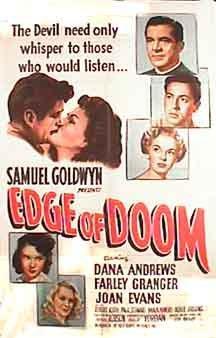
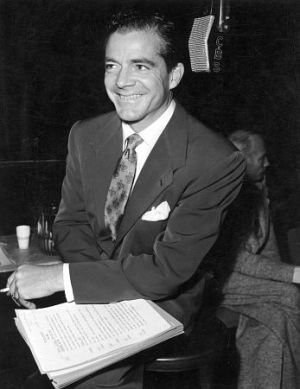
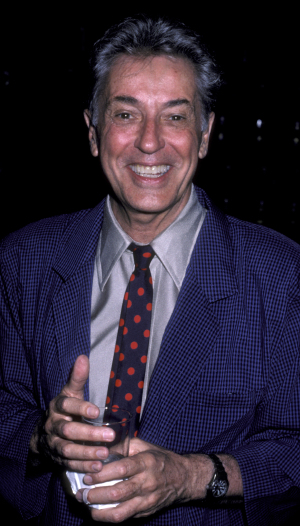
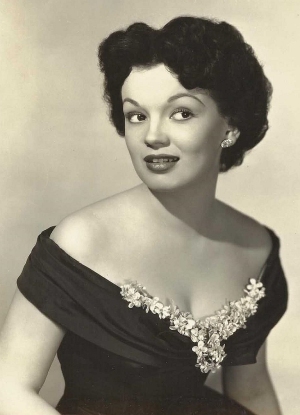
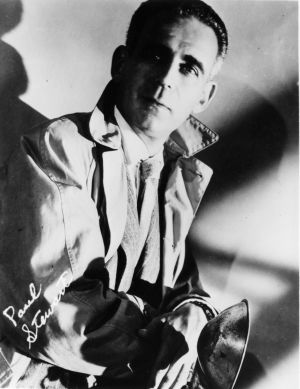
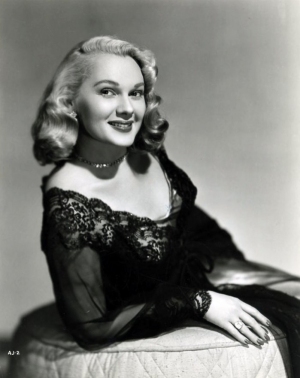
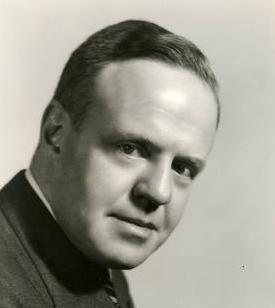
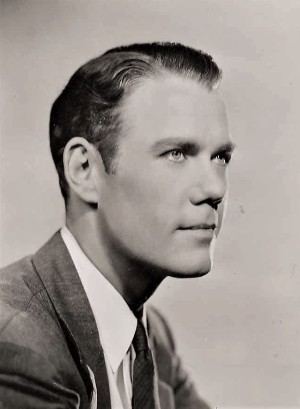
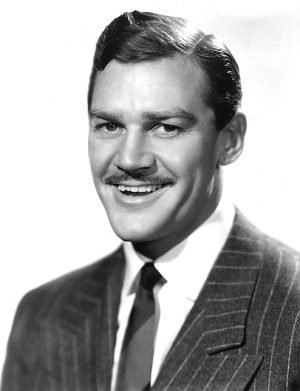
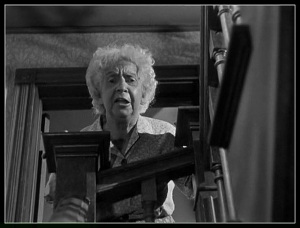
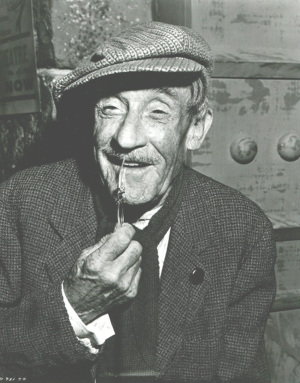
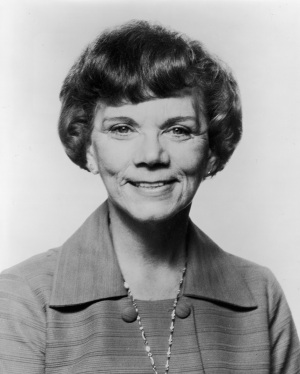
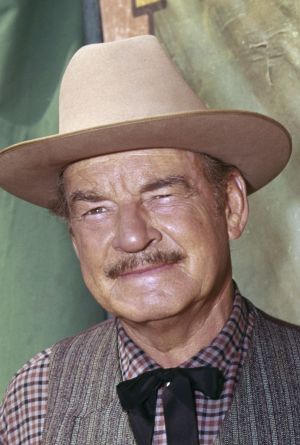
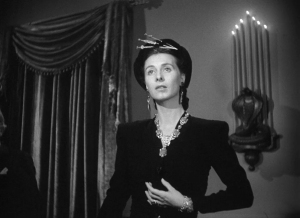
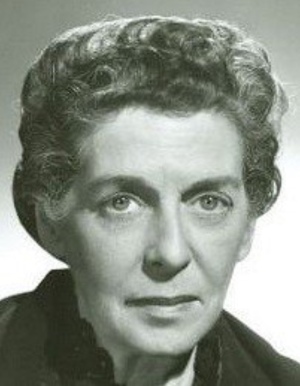
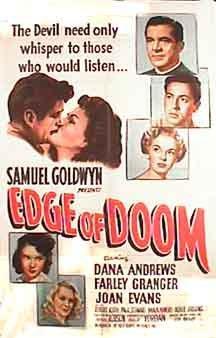
Dana Andrews (Father Roth), Farley Granger (Martin Lynn), Joan Evans (Rita Conroy), Robert Keith (Mandel), Paul Stewart (Craig), Mala Powers (Julie), Adele Jergens (Irene), Harold Vermilyea (Father Kirkman), John Ridgely (1st detective), Douglas Fowley (2nd detective), Mabel Paige (Mrs Pearson), Howland Chamberlain (Mr Murray), Houseley Stevenson, Sr (Mr Swanson), Jean Innes (Mrs Lally), Ellen Corby (Mrs Moore), Ray Teal (Ned Moore), Mary Field (Mary Jane Glennon), Virginia Brissac (Mrs Dennis), Frances Morris (Mrs Lynn).
Directed by MARK ROBSON. Screenplay: Philip Yordan. Based on the novel by Leo Brady. Music director: Emil Newman. Score: Hugo Friedhofer. Photographer: Harry Stradling. Editor: Daniel Mandell. Art director: Richard Day. Costumes: Mary Wills. Set decorator: Julia Heron. Make- up: Blagoe Stephanoff. Hair styles: Marie Clark. Additional scenes directed by Charles Vidor, written by Ben Hecht. Sound recording: Fred Lau. Producer: Samuel Goldwyn.
Copyright 3 August 1950 by Samuel Goldwyn Productions, Inc. Released by RKO Radio Pictures. New York opening at the Astor: 3 August 1950. U.S. release: 30 September 1950. U.K. release: December 1951. Australian release: 16 August 1951. 99 minutes.
U.K. release title: STRONGER THAN FEAR.
SYNOPSIS: "It's simple story about a boy who wants a fine funeral for his mother, so he kills a priest." — Sam Goldwyn, explaining the plot to an eager group of journalists.
NOTES: After its New York opening, Goldwyn rejigged the movie by adding narration, plus a prologue and epilogue, written by Charles Brackett and Ben Hecht, directed by Charles Vidor. Even with the additional scenes, the movie still came in at 96 minutes — 3 minutes less than before. Considerable excisions were made. Some of the most powerful episodes were deleted altogether, whilst others, notably the undertaker's sequence, were unmercifully diluted.
VIEWERS GUIDE: Adults.
COMMENT: This film is not now available in its original form but, whether called "Edge of Doom" or "Stronger Than Fear" (its U.K. release title), in a version somewhat mutilated by the addition of a fatuous prologue and epilogue and a patronizing commentary, all written by Ben Hecht and flatly directed by Charles Vidor.
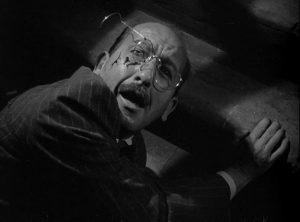
In its present state, the movie's entertainment quotient hasn't been increased, but lessened. Nonetheless, there are still features of interest to the connoisseur. The scene in which Harold Vermilyea is murdered still comes across with considerable force. The driving pace of Robson's direction, the moody black-and-white photography of Harry Stradling, the fine sets of art director Richard Day and some very good performances, particularly Vermilyea, Keith and Stewart, plus incisive dialogue are all positive recommendations.
Offsetting all these is the glum performance of Dana Andrews, whilst Farley Granger makes an unlikely hero. Mala Powers is also very weak as the hero's girlfriend. And then there's that commentary!
OTHER VIEWS: Whatever induced that normally astute showman Sam Goldwyn to attempt a film of Leo Brady's morbid novel? (Some sources say it was his wife, a convert to Catholicism). Whatever, Sam parted up with no less than $150,000 just for the film rights. He then ripped the guts out of the book by casting Dana Andrews as the priest. What few virtues Mr Andrews has as an actor — doggedness, certainly — neither sincerity nor saintliness, let alone spiritual strength, figure in that short list. Not that Farley Granger was any more charismatic, but at least his weakness was right for the role. As for the movie itself, even the re-edited light version is still mighty heavy going. — JHR writing as George Addison.

 Enjoy unlimited movies and shows
 Download your favorite content to watch offline
 Simple interface & smooth performance










'%3e%3cpath%20id='Vector'%20d='M17.3996%2025.7999C17.3996%2025.9838%2017.3634%2026.1658%2017.293%2026.3357C17.2227%2026.5055%2017.1196%2026.6598%2016.9896%2026.7899C16.8596%2026.9199%2016.7052%2027.023%2016.5354%2027.0933C16.3655%2027.1637%2016.1835%2027.1999%2015.9996%2027.1999C15.8158%2027.1999%2015.6337%2027.1637%2015.4639%2027.0933C15.294%2027.023%2015.1397%2026.9199%2015.0097%2026.7899C14.8797%2026.6598%2014.7765%2026.5055%2014.7062%2026.3357C14.6358%2026.1658%2014.5996%2025.9838%2014.5996%2025.7999C14.5996%2025.4286%2014.7471%2025.0725%2015.0097%2024.81C15.2722%2024.5474%2015.6283%2024.3999%2015.9996%2024.3999C16.3709%2024.3999%2016.727%2024.5474%2016.9896%2024.81C17.2521%2025.0725%2017.3996%2025.4286%2017.3996%2025.7999Z'%20fill='white'/%3e%3cpath%20id='Union'%20fill-rule='evenodd'%20clip-rule='evenodd'%20d='M8.5%204H23.5C24.0523%204%2024.5%204.44772%2024.5%205V21.5H7.5V5C7.5%204.44772%207.94772%204%208.5%204ZM5.5%2022.5V5C5.5%203.34315%206.84315%202%208.5%202H23.5C25.1569%202%2026.5%203.34315%2026.5%205V22.5V27C26.5%2028.6569%2025.1569%2030%2023.5%2030H8.5C6.84315%2030%205.5%2028.6569%205.5%2027V22.5ZM24.5%2023.5V27C24.5%2027.5523%2024.0523%2028%2023.5%2028H8.5C7.94772%2028%207.5%2027.5523%207.5%2027V23.5H24.5Z'%20fill='white'/%3e%3cpath%20id='Union_2'%20fill-rule='evenodd'%20clip-rule='evenodd'%20d='M17%209C17%208.44772%2016.5523%208%2016%208C15.4477%208%2015%208.44772%2015%209V13.8258L13.1508%2012.2407C12.7315%2011.8813%2012.1002%2011.9299%2011.7408%2012.3492C11.3813%2012.7685%2011.4299%2013.3998%2011.8492%2013.7593L15.345%2016.7556C15.5205%2016.9079%2015.7495%2017%2016%2017C16.2506%2017%2016.4796%2016.9079%2016.6551%2016.7556L20.1508%2013.7593C20.5701%2013.3998%2020.6187%2012.7685%2020.2593%2012.3492C19.8999%2011.9299%2019.2686%2011.8813%2018.8492%2012.2407L17%2013.8258V9Z'%20fill='white'/%3e%3c/g%3e%3c/svg%3e)
