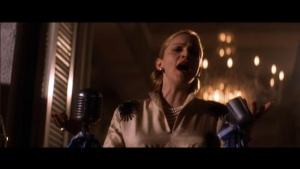
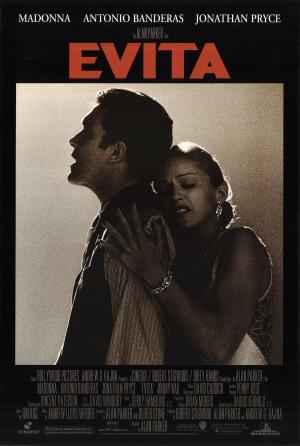
I've noticed that this movie continues to sink in the IMDb ratings, having dropped from 6.4 to 6.1 in the three years since I first looked it up. Apparently, Evita is not a film that grows on you. Loving it or hating it is in your DNA.
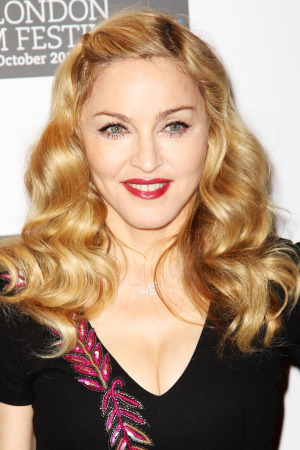
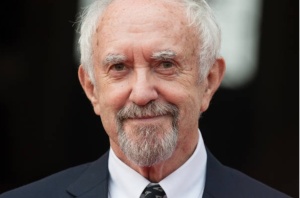
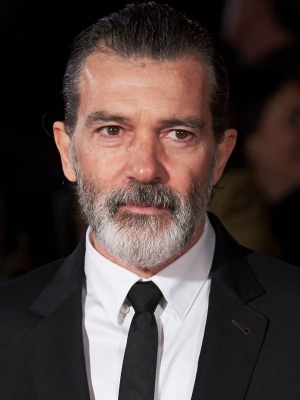
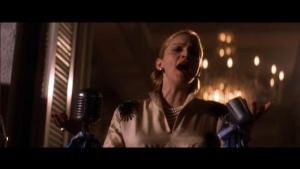
I guess I'm fortunate in my DNA, because I am heart-and-soul addicted to this film. I own the DVD and have played it dozens of times. I watch the film anytime I catch it on cable. I cannot account for my passion. I am not a Madonna fan; I have no desire to see Madonna in anything else. I have no special interest in Antonio Banderas, and although I've sought out other Jonathan Pryce films, I have yet to find one I've really enjoyed.
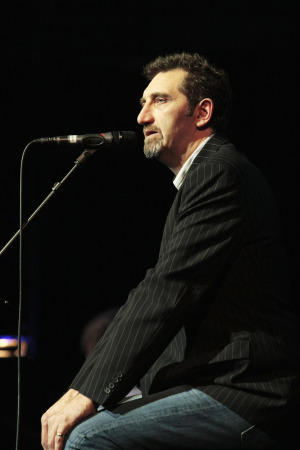
I love all three in this film. I cannot imagine anyone else playing the roles. I've seen Evita on stage in three different presentations and each time I left the theater asking myself the same question, "Who are these impersonators playing Evita, Che and Juan?" I know there are Jimmy Nail fans who consider his role in Evita to be a practical joke. To me, Jimmy Nail is the only possible Agustin Magaldi.
Am I interested in Argentine history? Am I a political scholar? Do I have a long-standing fascination with Juan and Eva Peron? No, no and no.
I will take a guess at what "attracts" a dedicated minority to this film. It is because, I believe, we are born romantics -- sensitized, heart-on-your-sleeve romantics, which is to say, we are opera lovers. And it turns out that the first "opera" many of us ever saw was the film version of "Evita." It was the first time we ever saw characters talk to one another exclusively in song, the first time we ever shared the unrelenting intimacy that addressing each other in song evokes.
And so we hear "I would be good for you" and "You must love me" rather than the oblique prose that people substitute in conversation.
How is this different from a standard musical? It is different in that the song is not superimposed upon the dialogue. You are not asked to adjust to the manic-depressive world of the musical, where prosaic characters suddenly burst into unlikely melody. Instead, Evita draws you into an operatic setting, where events unfold to a rhythmic cadence, where the characters move always to the music, where prose reality is saved for the final stark revelation: "Eva, you are dying." Rather than a musical, Evita is a story told in music.
Why the film, not the stage play? Because of the remarkable cinematography that lifts the opera from its stage setting to a enormously evocative time and place. What is it about the dusty funeral procession on the sun-baked plain, the arrival of Agustin and Eva in the bustling city, the fall of darkness upon the city's tango bars that is so nostalgically compelling? Why do we pine for this Argentina of long ago? Which of us who loves this film does not hope one day to visit Buenos Aires and find, by a miracle, that the city that greeted young Eva awaits us.
Well, that's my personal attempt to explain an addiction. If someone knows a sure-fire method of withdrawal, kindly keep it to yourself.

 Enjoy unlimited movies and shows
 Download your favorite content to watch offline
 Simple interface & smooth performance




'%3e%3cpath%20id='Vector'%20d='M17.3996%2025.7999C17.3996%2025.9838%2017.3634%2026.1658%2017.293%2026.3357C17.2227%2026.5055%2017.1196%2026.6598%2016.9896%2026.7899C16.8596%2026.9199%2016.7052%2027.023%2016.5354%2027.0933C16.3655%2027.1637%2016.1835%2027.1999%2015.9996%2027.1999C15.8158%2027.1999%2015.6337%2027.1637%2015.4639%2027.0933C15.294%2027.023%2015.1397%2026.9199%2015.0097%2026.7899C14.8797%2026.6598%2014.7765%2026.5055%2014.7062%2026.3357C14.6358%2026.1658%2014.5996%2025.9838%2014.5996%2025.7999C14.5996%2025.4286%2014.7471%2025.0725%2015.0097%2024.81C15.2722%2024.5474%2015.6283%2024.3999%2015.9996%2024.3999C16.3709%2024.3999%2016.727%2024.5474%2016.9896%2024.81C17.2521%2025.0725%2017.3996%2025.4286%2017.3996%2025.7999Z'%20fill='white'/%3e%3cpath%20id='Union'%20fill-rule='evenodd'%20clip-rule='evenodd'%20d='M8.5%204H23.5C24.0523%204%2024.5%204.44772%2024.5%205V21.5H7.5V5C7.5%204.44772%207.94772%204%208.5%204ZM5.5%2022.5V5C5.5%203.34315%206.84315%202%208.5%202H23.5C25.1569%202%2026.5%203.34315%2026.5%205V22.5V27C26.5%2028.6569%2025.1569%2030%2023.5%2030H8.5C6.84315%2030%205.5%2028.6569%205.5%2027V22.5ZM24.5%2023.5V27C24.5%2027.5523%2024.0523%2028%2023.5%2028H8.5C7.94772%2028%207.5%2027.5523%207.5%2027V23.5H24.5Z'%20fill='white'/%3e%3cpath%20id='Union_2'%20fill-rule='evenodd'%20clip-rule='evenodd'%20d='M17%209C17%208.44772%2016.5523%208%2016%208C15.4477%208%2015%208.44772%2015%209V13.8258L13.1508%2012.2407C12.7315%2011.8813%2012.1002%2011.9299%2011.7408%2012.3492C11.3813%2012.7685%2011.4299%2013.3998%2011.8492%2013.7593L15.345%2016.7556C15.5205%2016.9079%2015.7495%2017%2016%2017C16.2506%2017%2016.4796%2016.9079%2016.6551%2016.7556L20.1508%2013.7593C20.5701%2013.3998%2020.6187%2012.7685%2020.2593%2012.3492C19.8999%2011.9299%2019.2686%2011.8813%2018.8492%2012.2407L17%2013.8258V9Z'%20fill='white'/%3e%3c/g%3e%3c/svg%3e)