1234money official logo1234money

Command Ctrl

Stream the signal

  • Home
  • TV show
  • Movie
  • Animation
  • VSKit
  • Most Watched
  • 1234money App
  • FM Download
  • Games
  • Old 1234money
English
العربية
Français
Bahasa Indonesia
हिन्दी
اردو
Filipino
1234money Download AppDownload App
Download App
View more1234money home light arrow
1234money downloadEnjoy unlimited movies and shows
1234money downloadDownload your favorite content to watch offline
1234money downloadSimple interface & smooth performance
Scan QR code to download or
Download 1234money
For phones and tablets
TV
1234money TV APK
For Android TV
1234money header navigation
1234money official logo

1234money

1234money search icon
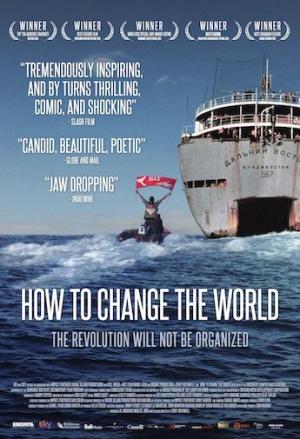
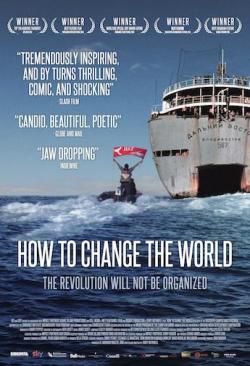
How to Change the World

How to Change the World

★ 7.52015Movie1 h 50 mCanada
DocumentaryAdventureBiography

In 1971, a group of friends sail into a nuclear test zone, and their protest captures the world's imagination. Using never before seen archive that brings their extraordinary world to life, How To Change The World is the story of the pioneers who founded Greenpeace and defined the modern green movement.
1343 people rated
🔇

How to Change the World

2015

R

1 h 50 m

Canada

Documentary

Adventure

Biography

In 1971, a group of friends sail into a nuclear test zone, and their protest captures the world's imagination. Using never before seen archive that brings their extraordinary world to life, How To Change The World is the story of the pioneers who founded Greenpeace and defined the modern green movement.
More

7.5 /10

1343 people rated

Watch Online

Watch in App

share

Episodes

film
lklk
Netflix
Plex

Trailer

play
Top Cast(18)
default avatar
Robert Hunter
Self
starring avatar
Patrick Moore
Self
starring avatar
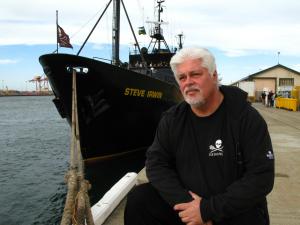
Paul Watson
Self
default avatar
Rex Weyler
Self
default avatar
Jim Bohlen
Self
default avatar
Irving Stowe
Self
default avatar
Ben Metcalfe
Self
default avatar
Bill Darnell
Self
default avatar
John Cormack
Self - owner of Greenpeace's first boat
default avatar
Rod Marining
Self
default avatar
Myron MacDonald
Self
default avatar
Paul Spong
Self
default avatar
Bobbi Hunter
Self
starring avatar
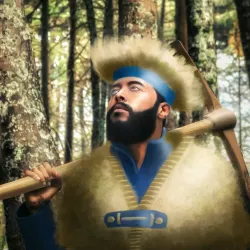
David Garrick
Self - alias Walrus Oakenbough
default avatar
Ron Precious
Self
default avatar
Fred Easton
Self
default avatar
Carlie Truman
Self
default avatar
Will Jackson
Self

User Review

author avatar

Tshedy__m

20/03/2026 17:09
How to Change the World
author avatar

Pramish_gurung1

29/05/2023 13:01
source: How to Change the World
author avatar

Yohannes Jay Balcha

23/05/2023 05:47
This well presented and important documentary focuses on the creation of the environmental group Greenpeace, in 1971, as well as its initial leader Canadian Bob Hunter, on whose writings the film is based, and who died in 2005. Aboard a small fishing boat filled with activists, mostly from the Vancouver, British Columbia area, and headed for Amchitka Island, Alaska to protest a planned nuclear bomb test, the name Greenpeace was coined by Bill Darnell. The name would signify the unification of the peace and environmental movements at the time. Although eventually turned back by the U.S. Coast Guard, the voyage would garner essential publicity for the group. Greenpeace would go on to focus on using dramatic, but non-violent actions, to draw the attention of the world to the decimation of the whale population by international whale hunters. The actual footage of the small but speedy Greenpeace Zodiac boats trying to interfere with a 9 vessel Russian whaling fleet, and the subsequent shooting of a harpoon just 15 feet above the protesters by the Russians is an amazing part of the movie. When the film of this occurrence would reach the global media, it would bring instant worldwide attention to the activists' cause, and the Greenpeace crew members were greeted as conquering heroes upon their return. Greenpeace would begin to sprout numerous offshoot branches as a result, and would continue to be active in the "save the whales" cause, as well as other important environmental issues such as the annual Newfoundland seal hunt. As with many organizations, Greenpeace would eventually suffer form internal dissension, and Hunter, as well as other early leaders of the group such as Paul Watson and Patrick Moore would eventually leave the organization and go their separate ways. Greenpeace International would eventually emerge as the central coordinating body for the group. All in all, I thought this documentary, directed by Jerry Rothwell, kept me engaged throughout with good pacing, and it presents an important part of history to the viewer. To note, the movie does contain some startling and graphic scenes of animal slaughter during the whale and seal hunts.
author avatar

Ajishir♥️

23/05/2023 05:47
In 1971 a group of friends in Vancouver got together to do something about President Nixon's plan to detonate a five mega ton nuclear device on Amchitka in The Aleutian chain of islands. They had nothing but an idea and a load energy. They put together a run down boat and headed off to stand up to America's might. Slowly the World caught on to what was happening and eco activism suddenly started to become hip and more importantly it made the news headlines. The de facto leader was Bob Hunter an enigmatic and very driven man who saw where the next battleground would be and that was to save the planets' biggest sentient beings – the whale. The film follows how a group of friends beliefs awoken a World's conscience to what we were, and still are, collectively doing to destroy our planet. The sleep walking into a frazzled and broken future started to come to an end. The film has archive footage with recent interviews with many of the players from those early days. The footage contains some very upsetting scenes of whale slaughter and the so called 'culling' of baby seals. One scene moved me to tears of a mother seal agonising over her little pups death. I have always been a supporter of Greenpeace and have campaigned in the past to save the whale as well as other issues that are close to my heart. This film made me get back some of the zeal that had eroded over the passing of years. I can not recommend this film enough, if you think ecologists are a bunch of tree hugging hippies who smoke too much pot; then watch this and think again – completely essential viewing.
author avatar

Habae Sonik Manyokol

23/05/2023 05:47
STAR RATING: ***** Saturday Night **** Friday Night *** Friday Morning ** Sunday Night * Monday Morning In the early 1970s, a group of activists, lead by the enigmatic Bob Hunter, got together and formed the Greenpeace movement, initially in response to President Nixon's testing of nuclear weapons on the island of Amchitka, but then interspersed with the opposition to whale poaching in the ocean, followed by the news of baby seal clubbing. The group formulated into a much larger organization, and conversely gained more discontent from the authorities, before internal fallout lead to each of them drifting their separate ways. When you think of Greenpeace these days, it feels amalgamated with a bunch of other charities, of the type that those in town centres spring out and try to strong-arm you into signing up for. Being an environmentally themed charity, it lay the foundation for the term 'tree hugger' (which is even mentioned in the film!), used in a generally derogatory manner these days. But, in a time when it felt more rewarding to be in a group and try and do good for others rather than the self, this absorbing documentary highlights how these guys went about their endeavour. Whatever your politics, you can't help but admire their tenacity, setting out as a group in their rickety little boat, risking life and limb to highlight the plight of those further down the food chain. They were a group of men (and women) sure of their convictions, with the idea, as the title implies, of changing the world, something that seems to have evaporated into apathy in this day and age. Jerry Rothwell has tapped into a part of history that those with an interest in ecological matters and the environment could take some great things away from. ****
author avatar

صدقة جارية

23/05/2023 05:47
My dad was pals with Bob Hunter and he had given us a pic of himself and co-founder Patrick Moore at the very first Greenpeace action. Greenpeace has gone global and exhibits today a lot of the problems of any large organizations where the mission of the organization tends to become growing itself, limiting transparency, taking positions not all its supporters might support, and preserving its own internal bureaucracy. But that doesn't change what Moore, Watson and Hunter did was astounding.
author avatar

Elrè Van wyk

23/05/2023 05:47
Trailer—How to Change the World
author avatar

␈اقدوره العقوري👉🔥

13/03/2023 13:28
source: How to Change the World
author avatar

user7817734339650

22/11/2022 14:44
STAR RATING: ***** Saturday Night **** Friday Night *** Friday Morning ** Sunday Night * Monday Morning In the early 1970s, a group of activists, lead by the enigmatic Bob Hunter, got together and formed the Greenpeace movement, initially in response to President Nixon's testing of nuclear weapons on the island of Amchitka, but then interspersed with the opposition to whale poaching in the ocean, followed by the news of baby seal clubbing. The group formulated into a much larger organization, and conversely gained more discontent from the authorities, before internal fallout lead to each of them drifting their separate ways. When you think of Greenpeace these days, it feels amalgamated with a bunch of other charities, of the type that those in town centres spring out and try to strong-arm you into signing up for. Being an environmentally themed charity, it lay the foundation for the term 'tree hugger' (which is even mentioned in the film!), used in a generally derogatory manner these days. But, in a time when it felt more rewarding to be in a group and try and do good for others rather than the self, this absorbing documentary highlights how these guys went about their endeavour. Whatever your politics, you can't help but admire their tenacity, setting out as a group in their rickety little boat, risking life and limb to highlight the plight of those further down the food chain. They were a group of men (and women) sure of their convictions, with the idea, as the title implies, of changing the world, something that seems to have evaporated into apathy in this day and age. Jerry Rothwell has tapped into a part of history that those with an interest in ecological matters and the environment could take some great things away from. ****
author avatar

AhmedFathyActor

22/11/2022 14:44
This well presented and important documentary focuses on the creation of the environmental group Greenpeace, in 1971, as well as its initial leader Canadian Bob Hunter, on whose writings the film is based, and who died in 2005. Aboard a small fishing boat filled with activists, mostly from the Vancouver, British Columbia area, and headed for Amchitka Island, Alaska to protest a planned nuclear bomb test, the name Greenpeace was coined by Bill Darnell. The name would signify the unification of the peace and environmental movements at the time. Although eventually turned back by the U.S. Coast Guard, the voyage would garner essential publicity for the group. Greenpeace would go on to focus on using dramatic, but non-violent actions, to draw the attention of the world to the decimation of the whale population by international whale hunters. The actual footage of the small but speedy Greenpeace Zodiac boats trying to interfere with a 9 vessel Russian whaling fleet, and the subsequent shooting of a harpoon just 15 feet above the protesters by the Russians is an amazing part of the movie. When the film of this occurrence would reach the global media, it would bring instant worldwide attention to the activists' cause, and the Greenpeace crew members were greeted as conquering heroes upon their return. Greenpeace would begin to sprout numerous offshoot branches as a result, and would continue to be active in the "save the whales" cause, as well as other important environmental issues such as the annual Newfoundland seal hunt. As with many organizations, Greenpeace would eventually suffer form internal dissension, and Hunter, as well as other early leaders of the group such as Paul Watson and Patrick Moore would eventually leave the organization and go their separate ways. Greenpeace International would eventually emerge as the central coordinating body for the group. All in all, I thought this documentary, directed by Jerry Rothwell, kept me engaged throughout with good pacing, and it presents an important part of history to the viewer. To note, the movie does contain some startling and graphic scenes of animal slaughter during the whale and seal hunts.

User Review

author avatar

Tshedy__m

20/03/2026 17:09
How to Change the World
author avatar

Pramish_gurung1

29/05/2023 13:01
source: How to Change the World
author avatar

Yohannes Jay Balcha

23/05/2023 05:47
This well presented and important documentary focuses on the creation of the environmental group Greenpeace, in 1971, as well as its initial leader Canadian Bob Hunter, on whose writings the film is based, and who died in 2005. Aboard a small fishing boat filled with activists, mostly from the Vancouver, British Columbia area, and headed for Amchitka Island, Alaska to protest a planned nuclear bomb test, the name Greenpeace was coined by Bill Darnell. The name would signify the unification of the peace and environmental movements at the time. Although eventually turned back by the U.S. Coast Guard, the voyage would garner essential publicity for the group. Greenpeace would go on to focus on using dramatic, but non-violent actions, to draw the attention of the world to the decimation of the whale population by international whale hunters. The actual footage of the small but speedy Greenpeace Zodiac boats trying to interfere with a 9 vessel Russian whaling fleet, and the subsequent shooting of a harpoon just 15 feet above the protesters by the Russians is an amazing part of the movie. When the film of this occurrence would reach the global media, it would bring instant worldwide attention to the activists' cause, and the Greenpeace crew members were greeted as conquering heroes upon their return. Greenpeace would begin to sprout numerous offshoot branches as a result, and would continue to be active in the "save the whales" cause, as well as other important environmental issues such as the annual Newfoundland seal hunt. As with many organizations, Greenpeace would eventually suffer form internal dissension, and Hunter, as well as other early leaders of the group such as Paul Watson and Patrick Moore would eventually leave the organization and go their separate ways. Greenpeace International would eventually emerge as the central coordinating body for the group. All in all, I thought this documentary, directed by Jerry Rothwell, kept me engaged throughout with good pacing, and it presents an important part of history to the viewer. To note, the movie does contain some startling and graphic scenes of animal slaughter during the whale and seal hunts.
author avatar

Ajishir♥️

23/05/2023 05:47
In 1971 a group of friends in Vancouver got together to do something about President Nixon's plan to detonate a five mega ton nuclear device on Amchitka in The Aleutian chain of islands. They had nothing but an idea and a load energy. They put together a run down boat and headed off to stand up to America's might. Slowly the World caught on to what was happening and eco activism suddenly started to become hip and more importantly it made the news headlines. The de facto leader was Bob Hunter an enigmatic and very driven man who saw where the next battleground would be and that was to save the planets' biggest sentient beings – the whale. The film follows how a group of friends beliefs awoken a World's conscience to what we were, and still are, collectively doing to destroy our planet. The sleep walking into a frazzled and broken future started to come to an end. The film has archive footage with recent interviews with many of the players from those early days. The footage contains some very upsetting scenes of whale slaughter and the so called 'culling' of baby seals. One scene moved me to tears of a mother seal agonising over her little pups death. I have always been a supporter of Greenpeace and have campaigned in the past to save the whale as well as other issues that are close to my heart. This film made me get back some of the zeal that had eroded over the passing of years. I can not recommend this film enough, if you think ecologists are a bunch of tree hugging hippies who smoke too much pot; then watch this and think again – completely essential viewing.
author avatar

Habae Sonik Manyokol

23/05/2023 05:47
STAR RATING: ***** Saturday Night **** Friday Night *** Friday Morning ** Sunday Night * Monday Morning In the early 1970s, a group of activists, lead by the enigmatic Bob Hunter, got together and formed the Greenpeace movement, initially in response to President Nixon's testing of nuclear weapons on the island of Amchitka, but then interspersed with the opposition to whale poaching in the ocean, followed by the news of baby seal clubbing. The group formulated into a much larger organization, and conversely gained more discontent from the authorities, before internal fallout lead to each of them drifting their separate ways. When you think of Greenpeace these days, it feels amalgamated with a bunch of other charities, of the type that those in town centres spring out and try to strong-arm you into signing up for. Being an environmentally themed charity, it lay the foundation for the term 'tree hugger' (which is even mentioned in the film!), used in a generally derogatory manner these days. But, in a time when it felt more rewarding to be in a group and try and do good for others rather than the self, this absorbing documentary highlights how these guys went about their endeavour. Whatever your politics, you can't help but admire their tenacity, setting out as a group in their rickety little boat, risking life and limb to highlight the plight of those further down the food chain. They were a group of men (and women) sure of their convictions, with the idea, as the title implies, of changing the world, something that seems to have evaporated into apathy in this day and age. Jerry Rothwell has tapped into a part of history that those with an interest in ecological matters and the environment could take some great things away from. ****
author avatar

صدقة جارية

23/05/2023 05:47
My dad was pals with Bob Hunter and he had given us a pic of himself and co-founder Patrick Moore at the very first Greenpeace action. Greenpeace has gone global and exhibits today a lot of the problems of any large organizations where the mission of the organization tends to become growing itself, limiting transparency, taking positions not all its supporters might support, and preserving its own internal bureaucracy. But that doesn't change what Moore, Watson and Hunter did was astounding.
author avatar

Elrè Van wyk

23/05/2023 05:47
Trailer—How to Change the World
author avatar

␈اقدوره العقوري👉🔥

13/03/2023 13:28
source: How to Change the World
author avatar

user7817734339650

22/11/2022 14:44
STAR RATING: ***** Saturday Night **** Friday Night *** Friday Morning ** Sunday Night * Monday Morning In the early 1970s, a group of activists, lead by the enigmatic Bob Hunter, got together and formed the Greenpeace movement, initially in response to President Nixon's testing of nuclear weapons on the island of Amchitka, but then interspersed with the opposition to whale poaching in the ocean, followed by the news of baby seal clubbing. The group formulated into a much larger organization, and conversely gained more discontent from the authorities, before internal fallout lead to each of them drifting their separate ways. When you think of Greenpeace these days, it feels amalgamated with a bunch of other charities, of the type that those in town centres spring out and try to strong-arm you into signing up for. Being an environmentally themed charity, it lay the foundation for the term 'tree hugger' (which is even mentioned in the film!), used in a generally derogatory manner these days. But, in a time when it felt more rewarding to be in a group and try and do good for others rather than the self, this absorbing documentary highlights how these guys went about their endeavour. Whatever your politics, you can't help but admire their tenacity, setting out as a group in their rickety little boat, risking life and limb to highlight the plight of those further down the food chain. They were a group of men (and women) sure of their convictions, with the idea, as the title implies, of changing the world, something that seems to have evaporated into apathy in this day and age. Jerry Rothwell has tapped into a part of history that those with an interest in ecological matters and the environment could take some great things away from. ****
author avatar

AhmedFathyActor

22/11/2022 14:44
This well presented and important documentary focuses on the creation of the environmental group Greenpeace, in 1971, as well as its initial leader Canadian Bob Hunter, on whose writings the film is based, and who died in 2005. Aboard a small fishing boat filled with activists, mostly from the Vancouver, British Columbia area, and headed for Amchitka Island, Alaska to protest a planned nuclear bomb test, the name Greenpeace was coined by Bill Darnell. The name would signify the unification of the peace and environmental movements at the time. Although eventually turned back by the U.S. Coast Guard, the voyage would garner essential publicity for the group. Greenpeace would go on to focus on using dramatic, but non-violent actions, to draw the attention of the world to the decimation of the whale population by international whale hunters. The actual footage of the small but speedy Greenpeace Zodiac boats trying to interfere with a 9 vessel Russian whaling fleet, and the subsequent shooting of a harpoon just 15 feet above the protesters by the Russians is an amazing part of the movie. When the film of this occurrence would reach the global media, it would bring instant worldwide attention to the activists' cause, and the Greenpeace crew members were greeted as conquering heroes upon their return. Greenpeace would begin to sprout numerous offshoot branches as a result, and would continue to be active in the "save the whales" cause, as well as other important environmental issues such as the annual Newfoundland seal hunt. As with many organizations, Greenpeace would eventually suffer form internal dissension, and Hunter, as well as other early leaders of the group such as Paul Watson and Patrick Moore would eventually leave the organization and go their separate ways. Greenpeace International would eventually emerge as the central coordinating body for the group. All in all, I thought this documentary, directed by Jerry Rothwell, kept me engaged throughout with good pacing, and it presents an important part of history to the viewer. To note, the movie does contain some startling and graphic scenes of animal slaughter during the whale and seal hunts.
Disclaimer: All videos and pictures on 1234money are from the Internet, and their copyrights belong to the original creators. We only provide webpage services and do not store, record, or upload any content.
About 1234money:Official Link Release 1234.money|Download 1234money APK|Privacy Policy|User Agreement
© 2026 1234money. All rights reserved.Telegram
1234money official logo

1234money

English
العربية
Français
Bahasa Indonesia
हिन्दी
اردو
Filipino
About 1234money
Official Link ReleaseDownload 1234money APKPrivacy PolicyUser Agreement
Disclaimer: All videos and pictures on 1234money are from the Internet, and their copyrights belong to the original creators. We only provide webpage services and do not store, record, or upload any content.