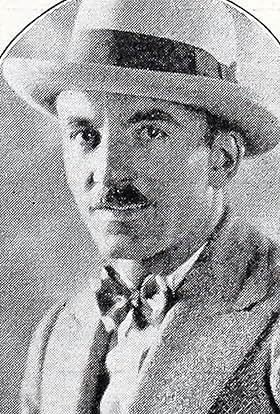
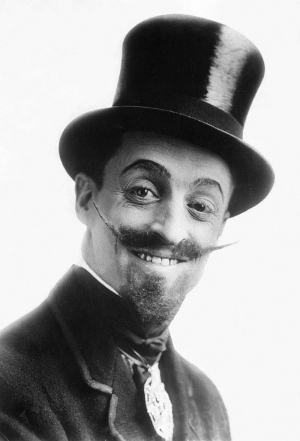
Raymond Griffith starred in a very popular series of comedy features in the 1920s, but today, while very highly regarded by those who have seen his films, he is little known. Unlike many of the other great silent comedians, Griffith has had the misfortune that almost all of his films are lost, and those few that do exist are difficult to find due to rights issues. Fortunately, I was able to locate a DVD of "Paths to Paradise" for sale on the internet.
This is the first of his comedies that I have seen (well, I saw it minus the missing final ten-minute reel, which still leaves the film ending in a place that makes sense. If you have access to the full version, get in touch with a film archive), and its a brilliant comedy that definitely justifies Griffith's reputation as a master of humorous performance in the silent era.
I think, apart from the actual material of the extremely clever comedy, a big part of it is that he's simply a great actor, especially suited to the silent film medium. It would be tough to find someone who expresses more with his expressions and motions -- one can virtually hear his delivery of a funny line as we watch what he mouths around the title card.
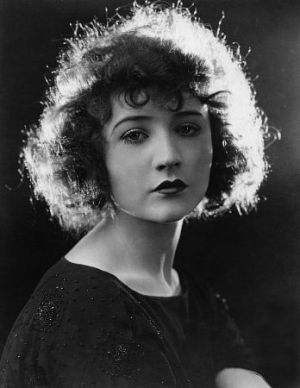
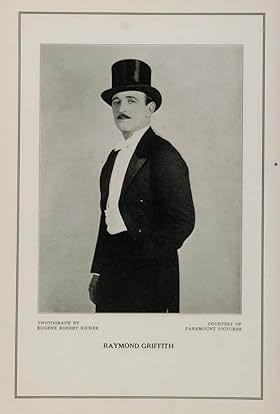
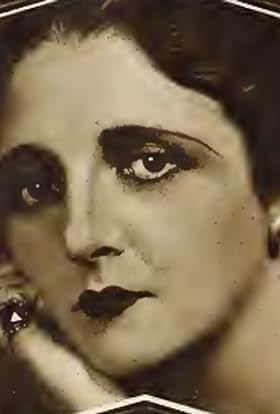
Betty Compson, the film's star power at the time, gets an excellent role as a rival, then partner, then love interest to Griffith, who is a master criminal after the biggest jewel in the country. Griffith's signature costume was the white tie and tails that he wore no matter what the situation -- he was known as the "Silk Hat Comedian" -- and here that serves a useful function to the story, gaining him a great deal of credibility in his constant machinations and manipulations.
We can't help but root far Raymond as he engages in his elaborate thievery (once he is affronted that his honesty is put into question!) and a great deal of the funny and impressive moments take place as we witness more and more impressive demonstrations of his criminal trickery: volunteering to be frisked as he misdirects the jewels with sleight of hand, breaking the safe while showing his skills as the world's greatest detective in a watch-finding parlor trick, etc. There's a great running gag which is probably far, far funnier than it should be in which Griffith answers to a different new surname whenever somebody refers to him.
Just as Buster Keaton's "The General" is a masterpiece in which almost everything revolves around variations on the situation of one train chasing another, "Paths to Paradise" delivers gold by drawing out countless twists on the simple, extended sequence of Griffith and Compson's characters getting the jewels from the safe. It's wonderfully artfully done, and allows for a lot of great push-and-pull character tension to build up between the two characters. Then there are some simply inspired gags, such as the one involving Griffith hauling a safe back and forth around the couch as he seeks to avoid detection while a policeman fights with his dog for the flashlight.
Deserving of special mention are the flawlessly constructed first twenty minutes or so, in which it is ever so deliberately, with perfect timing, revealed that Griffith his pretending to be a police officer to get a bribe from a group of criminals who think they have fooled him into thinking they are a sightseer's treat of an opium den, so they can get him to pay them. This kind of slow-reveal, devastating humor is representative and really impressive.
Then we end with an elaborate car chase that's almost impossible to describe but which would give Keaton a run for his money any day of the week.
I will certainly be seeking any any more of Raymond Griffith's remaining comedies that I can find.

 Enjoy unlimited movies and shows
 Download your favorite content to watch offline
 Simple interface & smooth performance




'%3e%3cpath%20id='Vector'%20d='M17.3996%2025.7999C17.3996%2025.9838%2017.3634%2026.1658%2017.293%2026.3357C17.2227%2026.5055%2017.1196%2026.6598%2016.9896%2026.7899C16.8596%2026.9199%2016.7052%2027.023%2016.5354%2027.0933C16.3655%2027.1637%2016.1835%2027.1999%2015.9996%2027.1999C15.8158%2027.1999%2015.6337%2027.1637%2015.4639%2027.0933C15.294%2027.023%2015.1397%2026.9199%2015.0097%2026.7899C14.8797%2026.6598%2014.7765%2026.5055%2014.7062%2026.3357C14.6358%2026.1658%2014.5996%2025.9838%2014.5996%2025.7999C14.5996%2025.4286%2014.7471%2025.0725%2015.0097%2024.81C15.2722%2024.5474%2015.6283%2024.3999%2015.9996%2024.3999C16.3709%2024.3999%2016.727%2024.5474%2016.9896%2024.81C17.2521%2025.0725%2017.3996%2025.4286%2017.3996%2025.7999Z'%20fill='white'/%3e%3cpath%20id='Union'%20fill-rule='evenodd'%20clip-rule='evenodd'%20d='M8.5%204H23.5C24.0523%204%2024.5%204.44772%2024.5%205V21.5H7.5V5C7.5%204.44772%207.94772%204%208.5%204ZM5.5%2022.5V5C5.5%203.34315%206.84315%202%208.5%202H23.5C25.1569%202%2026.5%203.34315%2026.5%205V22.5V27C26.5%2028.6569%2025.1569%2030%2023.5%2030H8.5C6.84315%2030%205.5%2028.6569%205.5%2027V22.5ZM24.5%2023.5V27C24.5%2027.5523%2024.0523%2028%2023.5%2028H8.5C7.94772%2028%207.5%2027.5523%207.5%2027V23.5H24.5Z'%20fill='white'/%3e%3cpath%20id='Union_2'%20fill-rule='evenodd'%20clip-rule='evenodd'%20d='M17%209C17%208.44772%2016.5523%208%2016%208C15.4477%208%2015%208.44772%2015%209V13.8258L13.1508%2012.2407C12.7315%2011.8813%2012.1002%2011.9299%2011.7408%2012.3492C11.3813%2012.7685%2011.4299%2013.3998%2011.8492%2013.7593L15.345%2016.7556C15.5205%2016.9079%2015.7495%2017%2016%2017C16.2506%2017%2016.4796%2016.9079%2016.6551%2016.7556L20.1508%2013.7593C20.5701%2013.3998%2020.6187%2012.7685%2020.2593%2012.3492C19.8999%2011.9299%2019.2686%2011.8813%2018.8492%2012.2407L17%2013.8258V9Z'%20fill='white'/%3e%3c/g%3e%3c/svg%3e)