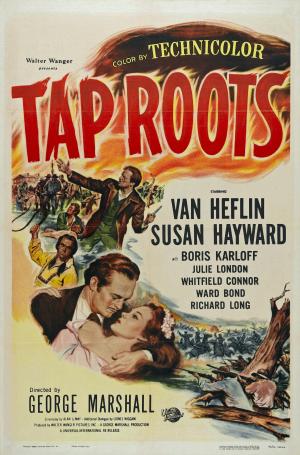
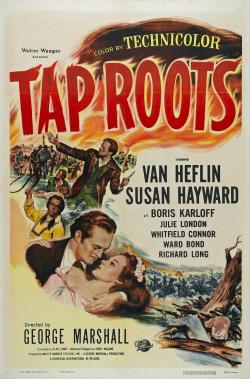
Some suggest that this film was meant to be a poor man's "Gone With the Wind". A similar charge has often been leveled at the later film "Band of Angels", starring Clark Gable and Yvonne De Carlo There's probably some truth to this charge, but any film that deals with a subject somewhat resembling GWTW is going to be negatively compared to it. Remember, these 2 films are only half or less as long as GWTW. Why not just accept them on their own merits. They are all distinctive enough in their details to stand on their own.
There were, of course, Southern Unionists before and during the Civil War. Sometimes they were concentrated in particular regions. An obvious example is the northwestern part of Virginia, which seceded to become West Virginia. One Unionist was Newton Knight, who lived in Jones County, MS. He enlisted in the Confederate army, but eventually deserted, claiming to be a Unionist forced to fight for the Confederacy. He was the leader of a group of mostly deserters, mostly from Jones county and surrounding counties, who acted as guerillas against government troops and officials. For a time, he was jailed as a deserter, and his homestead burned, as an example. At one point, Knight and his supporters hid in a swamp, which government troops had great difficulty penetrating. This is the historical background from which this story is derived.
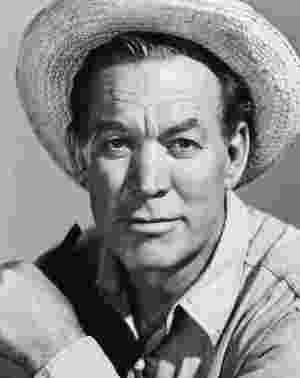
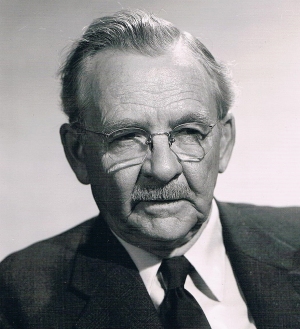
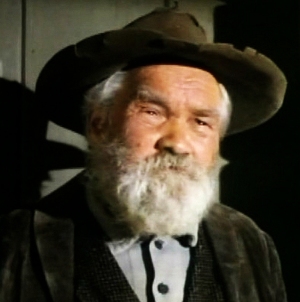
The Dabneys are the ruling extended family in the Levington Valley of MS. The patriarchal grandfather, Sam Dabney((Russell Simpson), is infirm on the eve of secession of MS from the Union, and dies after an emotional outburst against secession and its probable traumatic effect on his empire. His son and heir apparent: Hoab Dabney(Ward Bond), also is vehemently opposed to secession and against the war for similar reasons, and talks of seceding from the state if it secedes from the Union.
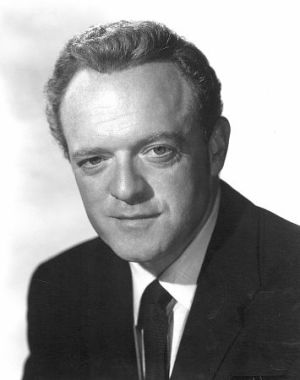
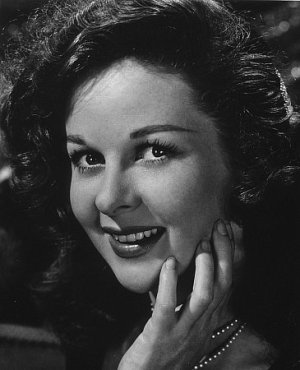
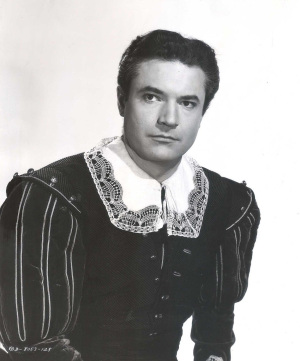
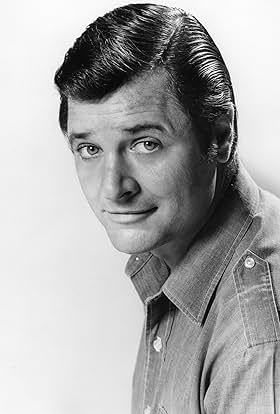
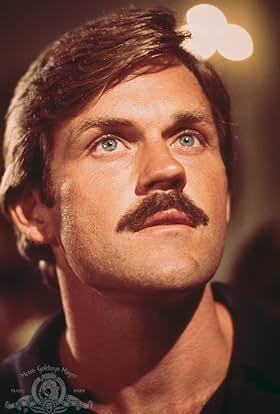
Hoab's daughter, Morna(Susan Hayward), is engaged to a cavalry officer(Whitfield Connor, as Clay) in the US army, who will join the Confederate army, against the wishes of the Dabneys. However, Morna severely hurts her back from a horse fall, and the doctor claims she will never walk again(There is conflicting evidence whether one or both legs are affected). Clay pretends that his love for her has not now diminished, but he soon begins dating her sister Aven(Julie London), and soon they are married. Meanwhile, journalist Keith Alexander(Van Helfin) has professed his love for Morna whatever her physical condition in the future may be. Morna's attendants keep massaging her legs and encouraging her to try to walk. One day, Keith's talk makes her angry, and she stands. With more exercises, she eventually is able to walk, albeit with a limp.
Meanwhile, Clay's troops have blockaded the southern pass out of the valley, so that the residents can't get supplies from the gulf port. Hoab and Keith have organized the valley residents into a fighting force against Clays troops. But Clay's artillery, especially, and setting of fires destroy the Dabney's mansion and other buildings. Hoab's and Keith's men retreat into a swamp, which Clay's troops are able to penetrate, and a battle ensues. I leave the climax and conclusion for you to see. Available at You Tube in Technicolor.
The most interesting relationship is that between Morna and Clay. The combination of her incapacitating injury and Clay's joining of the Confederate Army wrecked their romantic involvement. When it was discovered that Clay's army was about to attack the valley from the north, whereas Keith and his men had gone south for supplies, she rode to Clay's camp with the idea of convincing him that she still loved him more than Keith. She seduced him, with the intent of delaying the assault on the valley until Keith's men could return. But Clay saw through her plan and used the time to alter his attack plan and move his cannons forward, in position to bombard the Dabney Mansion.

 Enjoy unlimited movies and shows
 Download your favorite content to watch offline
 Simple interface & smooth performance



















'%3e%3cpath%20id='Vector'%20d='M17.3996%2025.7999C17.3996%2025.9838%2017.3634%2026.1658%2017.293%2026.3357C17.2227%2026.5055%2017.1196%2026.6598%2016.9896%2026.7899C16.8596%2026.9199%2016.7052%2027.023%2016.5354%2027.0933C16.3655%2027.1637%2016.1835%2027.1999%2015.9996%2027.1999C15.8158%2027.1999%2015.6337%2027.1637%2015.4639%2027.0933C15.294%2027.023%2015.1397%2026.9199%2015.0097%2026.7899C14.8797%2026.6598%2014.7765%2026.5055%2014.7062%2026.3357C14.6358%2026.1658%2014.5996%2025.9838%2014.5996%2025.7999C14.5996%2025.4286%2014.7471%2025.0725%2015.0097%2024.81C15.2722%2024.5474%2015.6283%2024.3999%2015.9996%2024.3999C16.3709%2024.3999%2016.727%2024.5474%2016.9896%2024.81C17.2521%2025.0725%2017.3996%2025.4286%2017.3996%2025.7999Z'%20fill='white'/%3e%3cpath%20id='Union'%20fill-rule='evenodd'%20clip-rule='evenodd'%20d='M8.5%204H23.5C24.0523%204%2024.5%204.44772%2024.5%205V21.5H7.5V5C7.5%204.44772%207.94772%204%208.5%204ZM5.5%2022.5V5C5.5%203.34315%206.84315%202%208.5%202H23.5C25.1569%202%2026.5%203.34315%2026.5%205V22.5V27C26.5%2028.6569%2025.1569%2030%2023.5%2030H8.5C6.84315%2030%205.5%2028.6569%205.5%2027V22.5ZM24.5%2023.5V27C24.5%2027.5523%2024.0523%2028%2023.5%2028H8.5C7.94772%2028%207.5%2027.5523%207.5%2027V23.5H24.5Z'%20fill='white'/%3e%3cpath%20id='Union_2'%20fill-rule='evenodd'%20clip-rule='evenodd'%20d='M17%209C17%208.44772%2016.5523%208%2016%208C15.4477%208%2015%208.44772%2015%209V13.8258L13.1508%2012.2407C12.7315%2011.8813%2012.1002%2011.9299%2011.7408%2012.3492C11.3813%2012.7685%2011.4299%2013.3998%2011.8492%2013.7593L15.345%2016.7556C15.5205%2016.9079%2015.7495%2017%2016%2017C16.2506%2017%2016.4796%2016.9079%2016.6551%2016.7556L20.1508%2013.7593C20.5701%2013.3998%2020.6187%2012.7685%2020.2593%2012.3492C19.8999%2011.9299%2019.2686%2011.8813%2018.8492%2012.2407L17%2013.8258V9Z'%20fill='white'/%3e%3c/g%3e%3c/svg%3e)
